1.
a term of endearment
A term of endearment for a beloved wife; darling, dear one. Distinguished from its Tamil antecedent by carrying a heavier and more particular emotional weight.
"Good morning, chells."
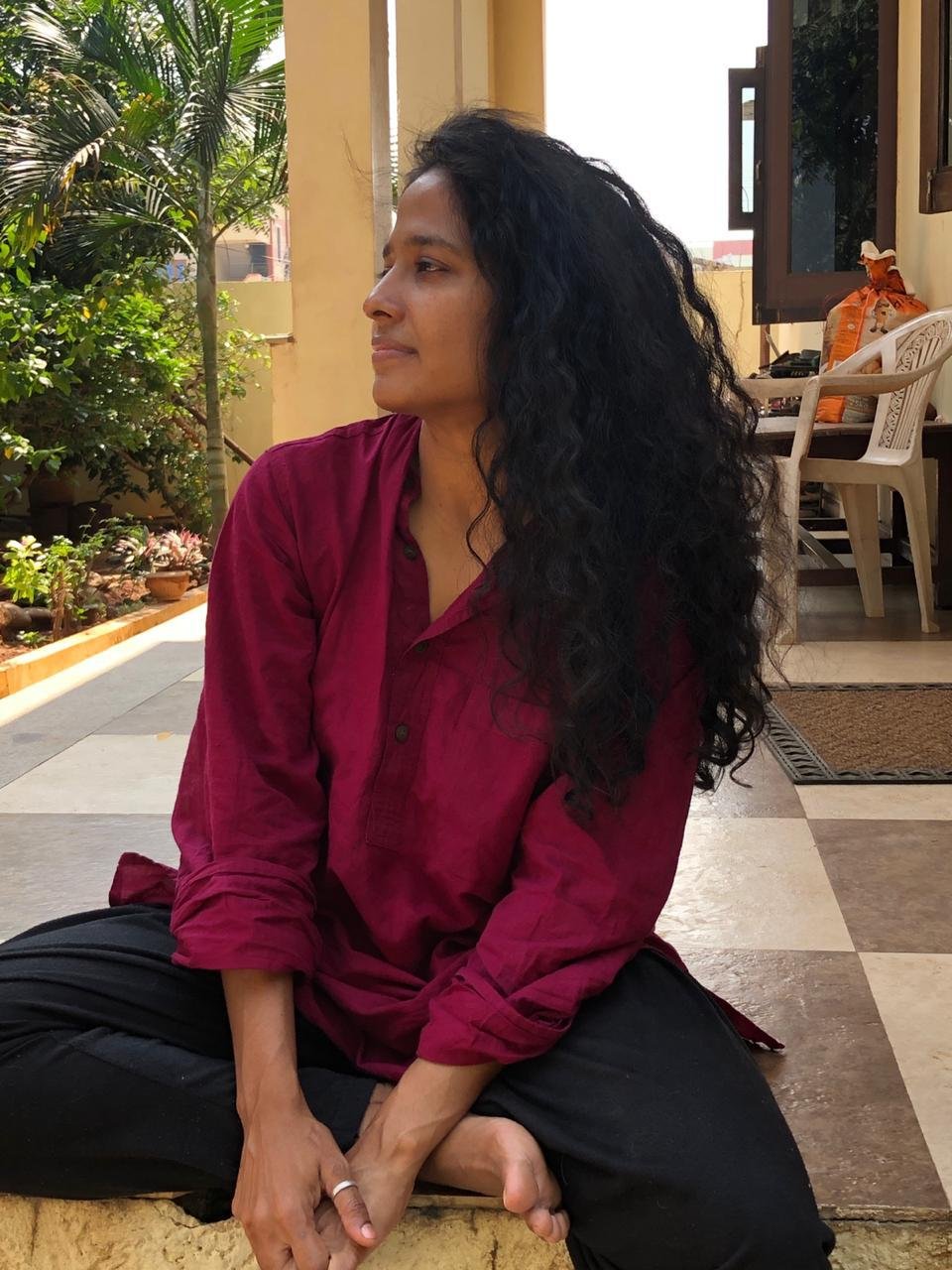
Anglicized hypocoristic of Tamil chellam, a longstanding South Indian endearment used for cherished children and, by extension, spouses and close kin. The terminal –s follows the English diminutive-affectionate pattern (compare Becks, Wills) — producing a form softer and more intimate than its Tamil antecedent.
South India has called its beloveds chellam for centuries. In 2023, I began calling you chells.
A term of endearment for a beloved wife; darling, dear one. Distinguished from its Tamil antecedent by carrying a heavier and more particular emotional weight.
"Good morning, chells."
A woman — typically a wife and mother — in whom the following qualities are present together and held in balance.
The kind that holds without announcing itself.
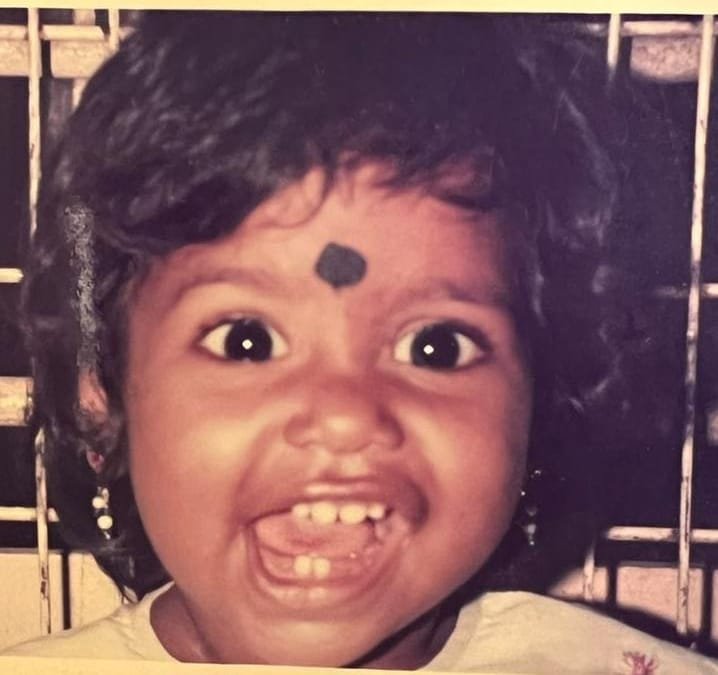
Sharp without ever needing to prove it.

A combination most languages have to invent words for.
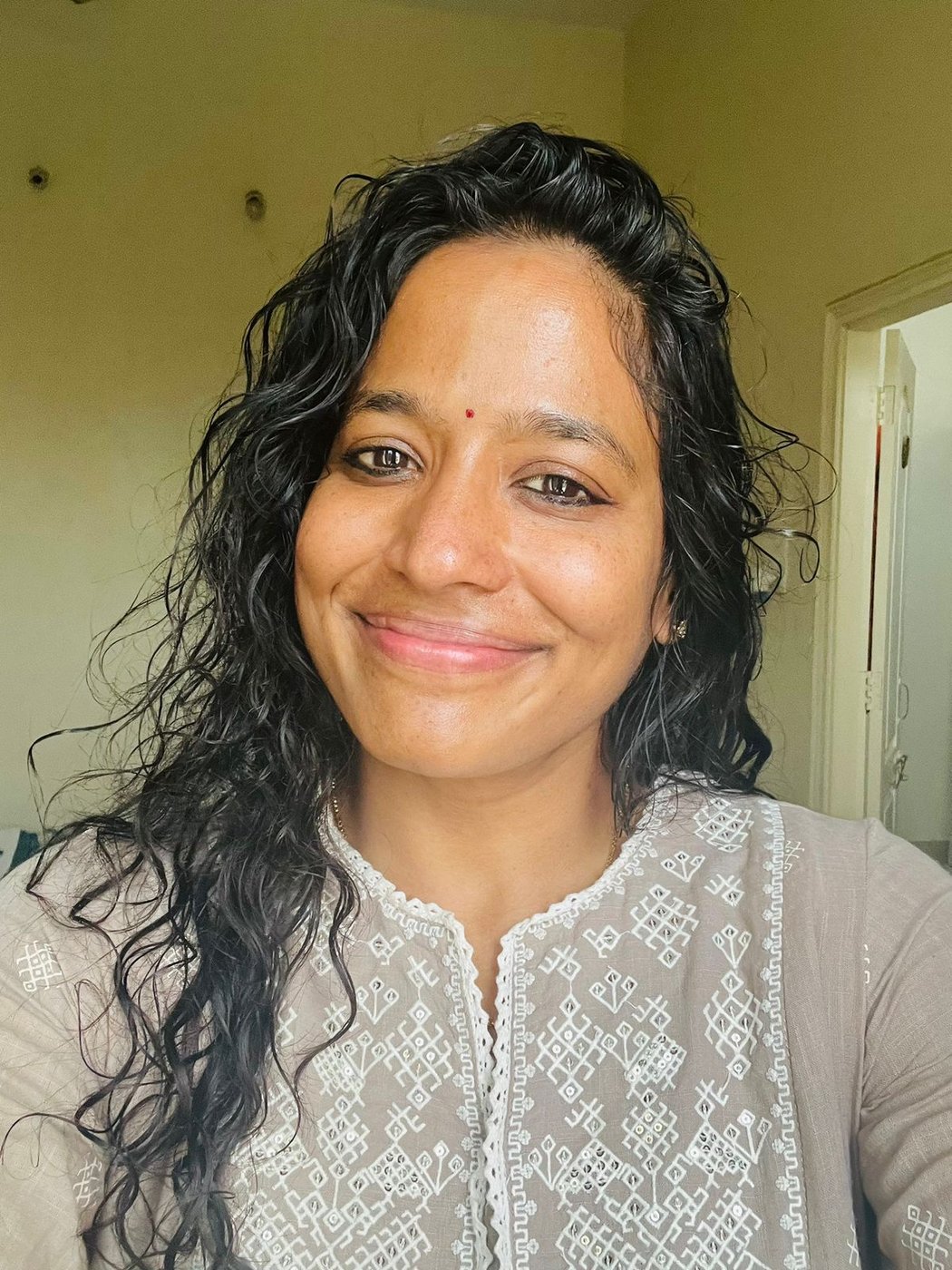
The architecture under everything else.
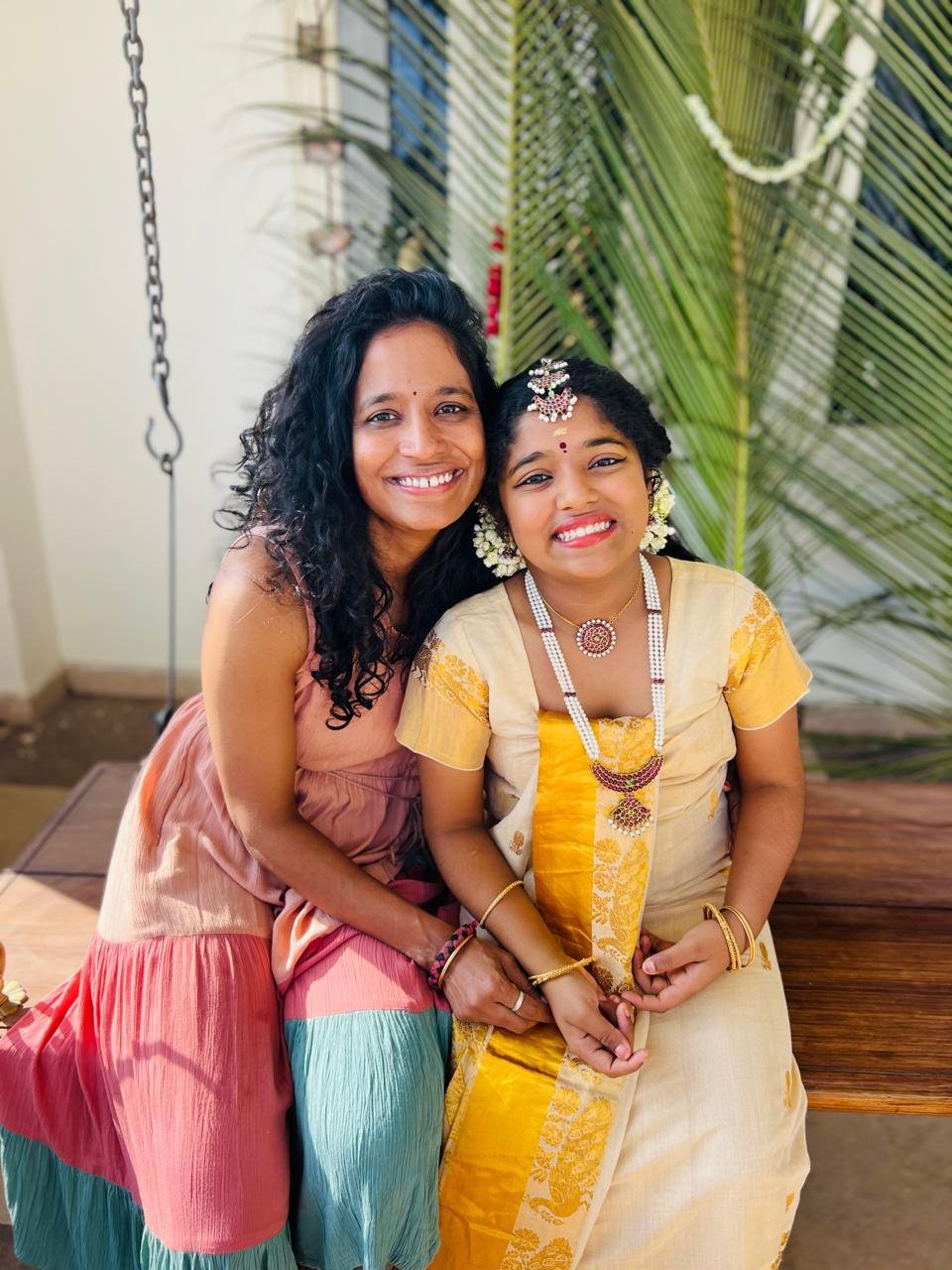
"She runs a home, raises the children, holds down her own mind — a complete chells."
Possessing or characteristic of the qualities in sense 2. Most frequently in the collocation chellslike behaviour, used by the coiner to describe the good and endearing things his wife does.
"That was a very chellslike thing to do."
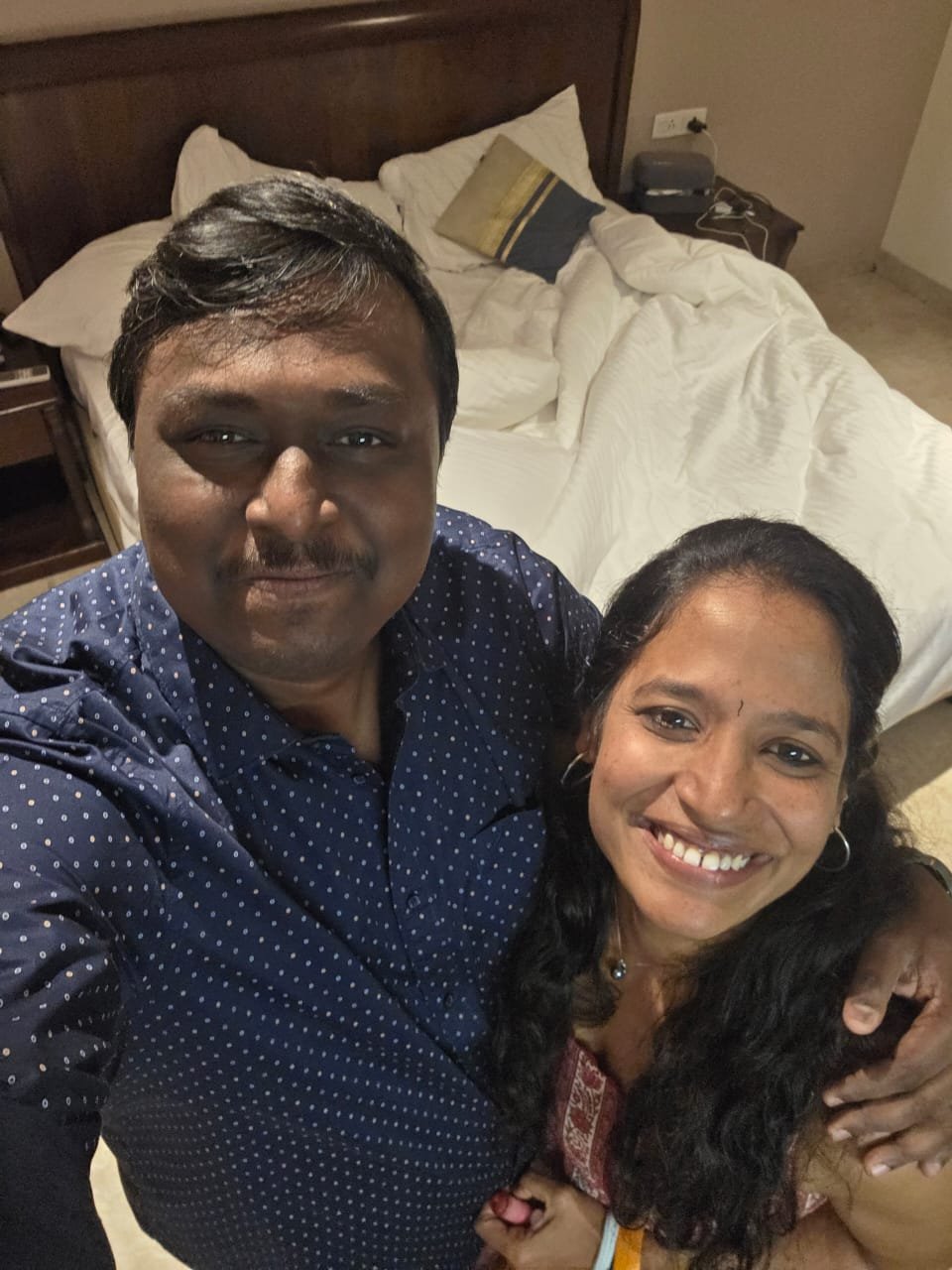
Dr John Gottman spent 40 years studying couples in his Seattle lab. He identified four behavioral markers that predict relationship deterioration with 90%+ accuracy. The threshold for concern on each is 50%. We score below 25% on every one.
All four under twenty-five percent.
The threshold for concern is fifty.
ANCHORED is the highest-stability verdict in the taxonomy. It fires when nine specific triggers all line up.
Confidence: 94%
Most couples don't hit five of these. We hit nine.
The first six months, reconstructed from timestamps. The speed at which we found each other — and the moment, much later, when you became my pondatti — both visible in the data.
Between us we built a private vocabulary. Most couples have one or two names for each other. We have twenty-four.
Two abbreviations I invented for you. Nobody else on earth knows what these mean. We do.
Combined, sent 197 times. You've sent them back 4 times.
They aren't WhatsApp abbreviations anyone else has ever used. I made them for you, and they only exist in this chat.
Neither of us writes "I love you" the same way twice. The number of extra letters is the volume knob on the feeling. The data measured every single one.
My sweet spot is the seven-i version — 360 times.
The longest I ever stretched it was 109 i's. Just once.
You should be able to guess the day.
Your sweet spot is three o's — 1,795 times.
Your longest sooo was 200 o's. Once.
The data found it.
Numbers I extracted that stopped me when I read them.
The 72-day streak (March 25 – June 4, 2024) is the longest stretch where one of us said "I love you" every single day, without missing one. It happened. It's in the file.
Six times in three years, you sat down and wrote me letters longer than 2,500 characters. Their first lines —
I went back and read mine too. Mar 4 2024 (4:09 AM). Feb 14 2025 (2:58 AM). Oct 20 2024 (3:29 AM). Nov 7 2024 (1:40 AM, where I first wrote "my loveliest cutie pie vlcgp pondatti").
When I have something important to say, I write it after midnight.
Three years ago we exchanged 972 messages on day five.
We've never beaten that single-day number.
But over 968 days we've now exchanged 155,167 — an average of 160 every single day.
The 972 wasn't the peak. It was the foundation.
The algorithm I built sees one verdict word for our chat: ANCHORED. The highest one in the taxonomy. The data hit nine for nine.
But the part the algorithm couldn't measure was the part I needed to write to you: it's not the math that anchored us. It's the small things that the math caught after the fact — the six-minute-apart first "I love you", the day-33 "my kannu kutty", the 109-i pondatti once, the 200-o sooo once, the 30 times the "j" at the end of diiij meant exactly what it meant.
Those weren't generated by the architecture.
The architecture grew around them.
Four submissions across the world's dictionaries — submitted to Oxford, written into Wiktionary, indexed by Urban Dictionary, and acknowledged by their editorial teams. Each one widens the world's record of you by one word.
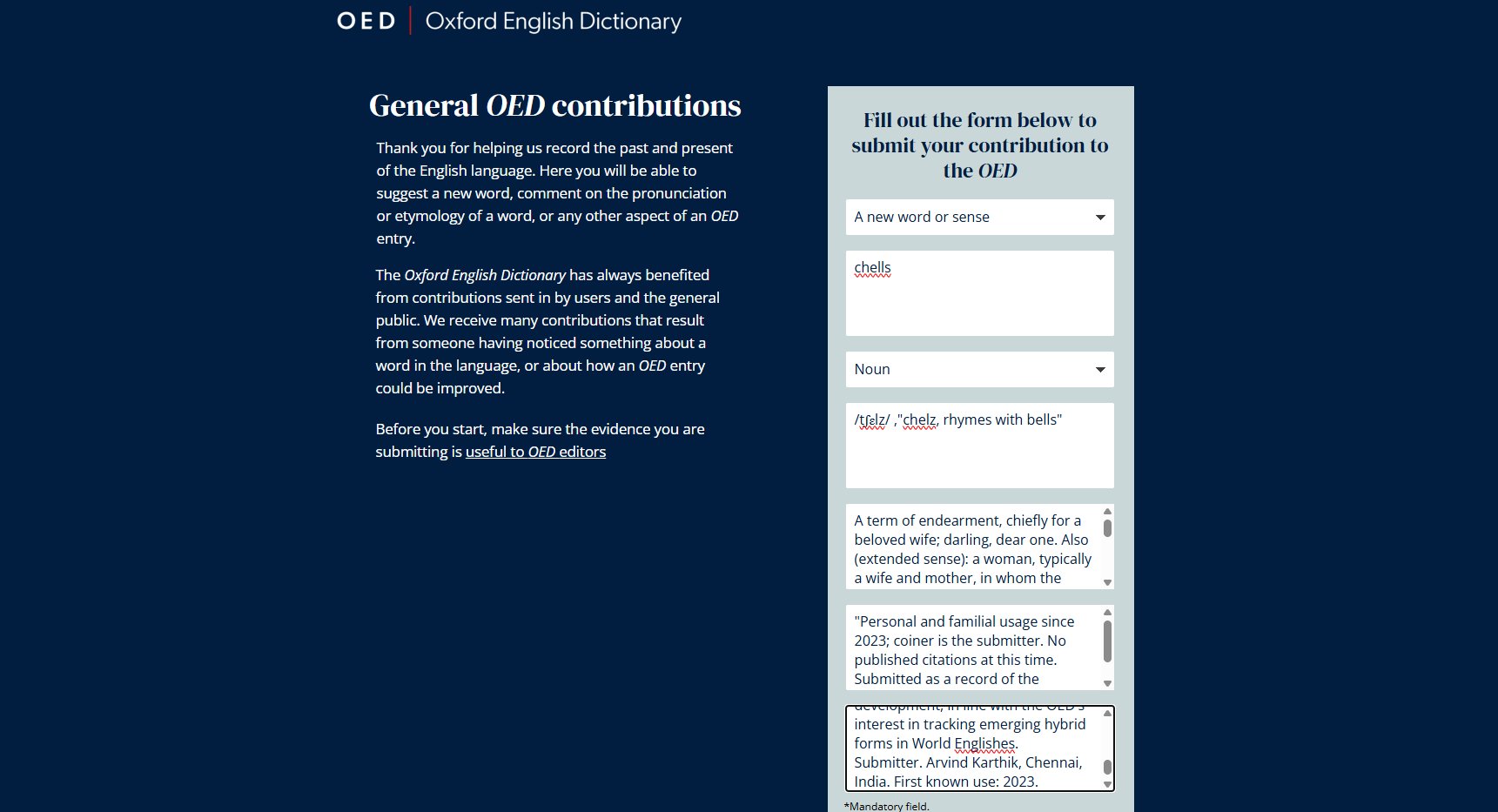

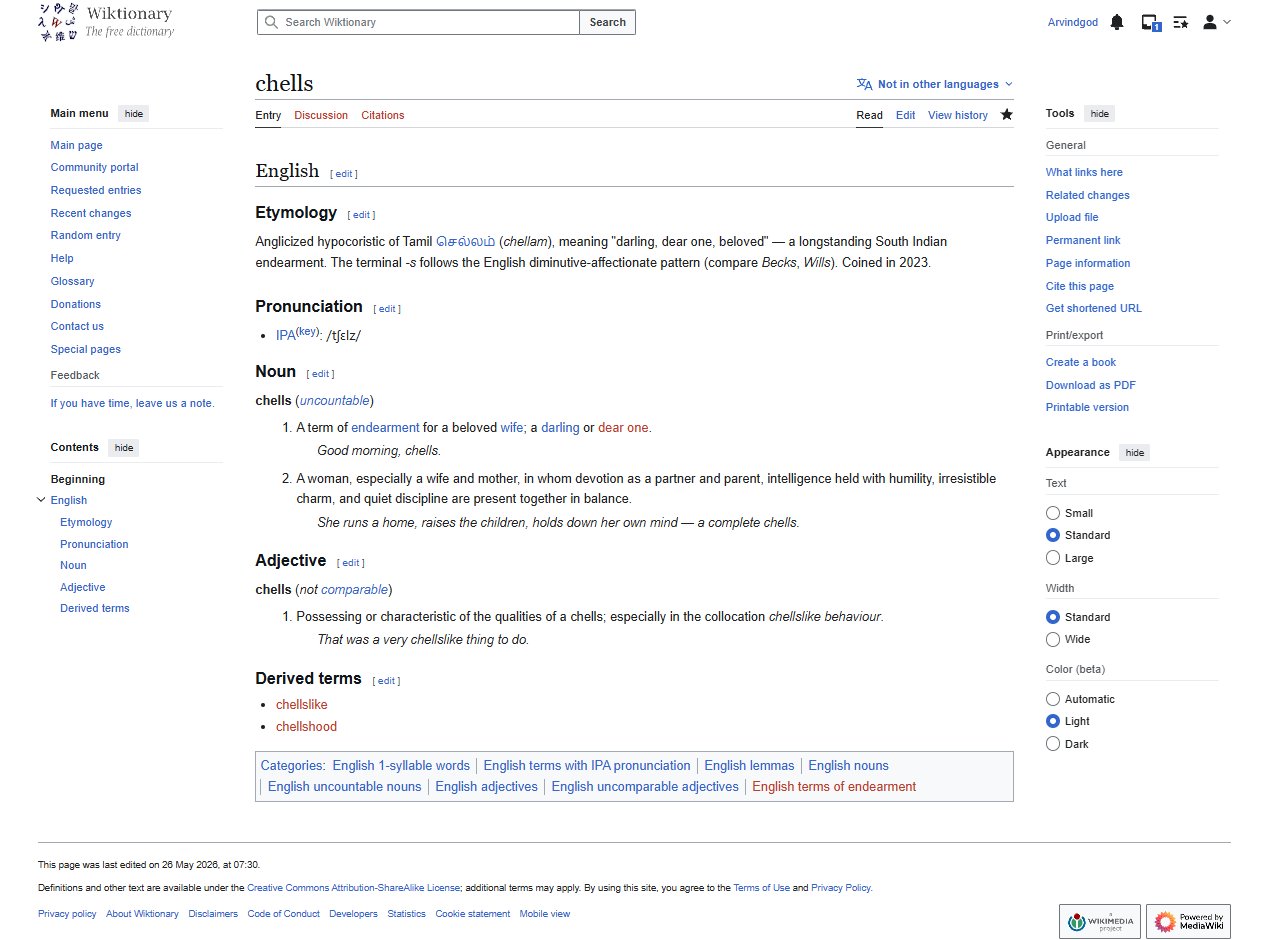
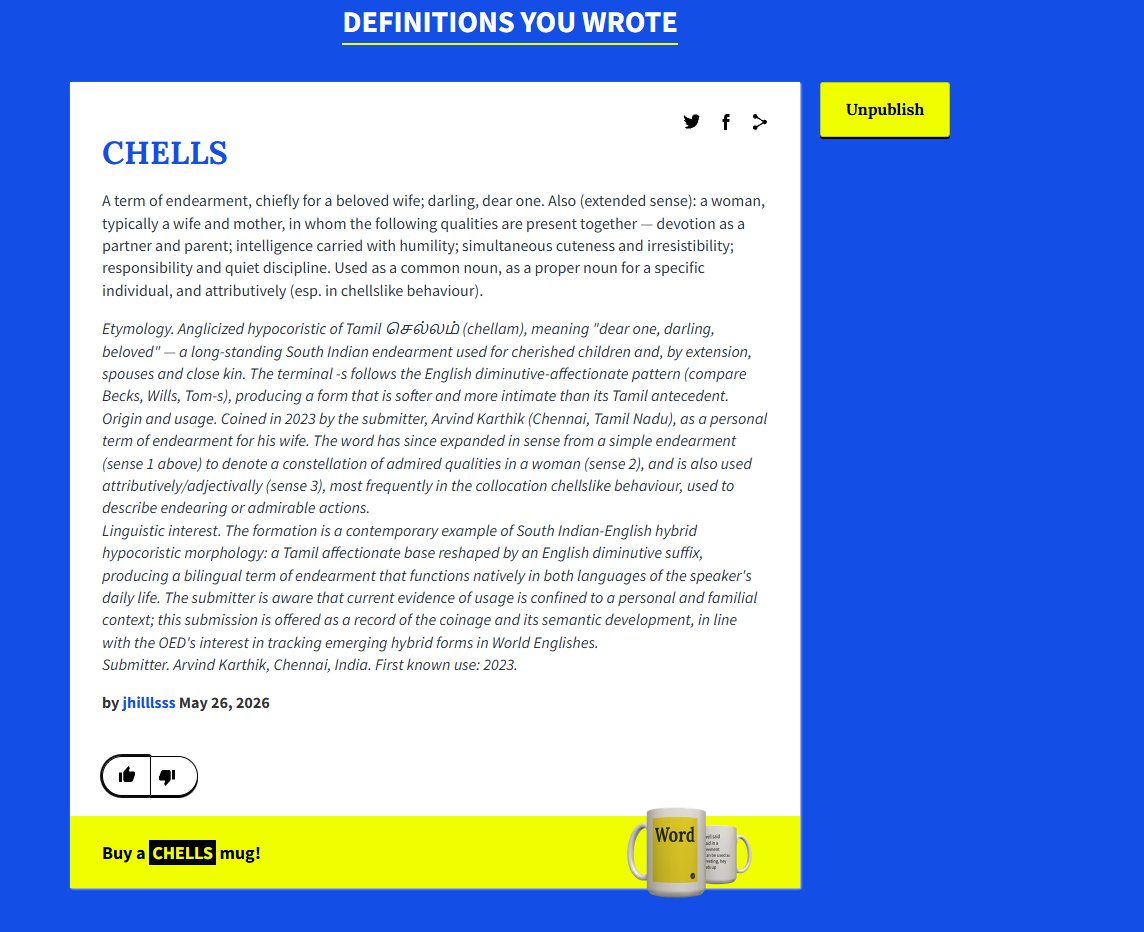
A typeset dictionary entry, printed on cotton paper, framed in dark wood.
This is the version that hangs in the house.
The full Verdict report — all twelve pages, including the analysis you've just read — is also available.
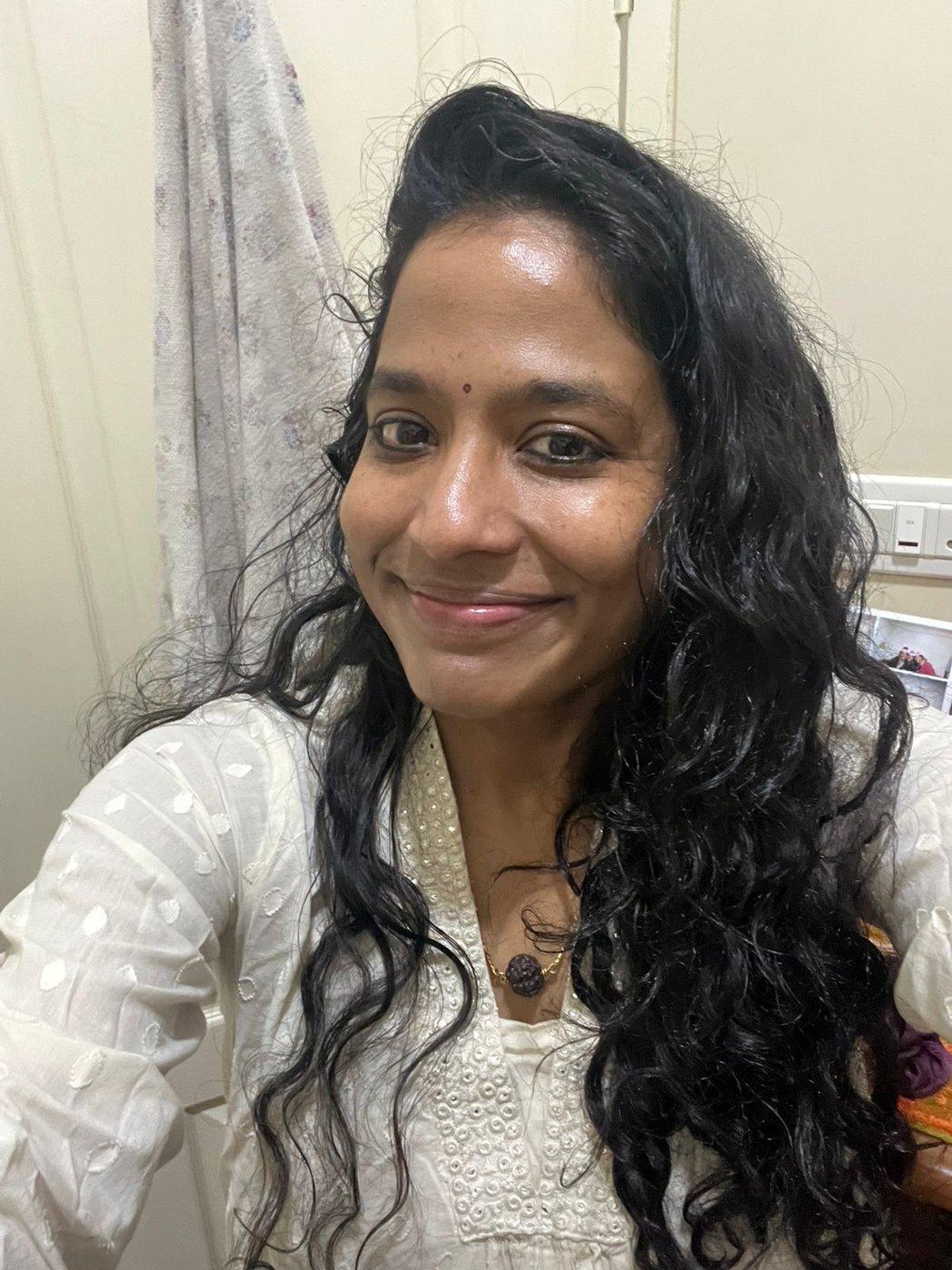
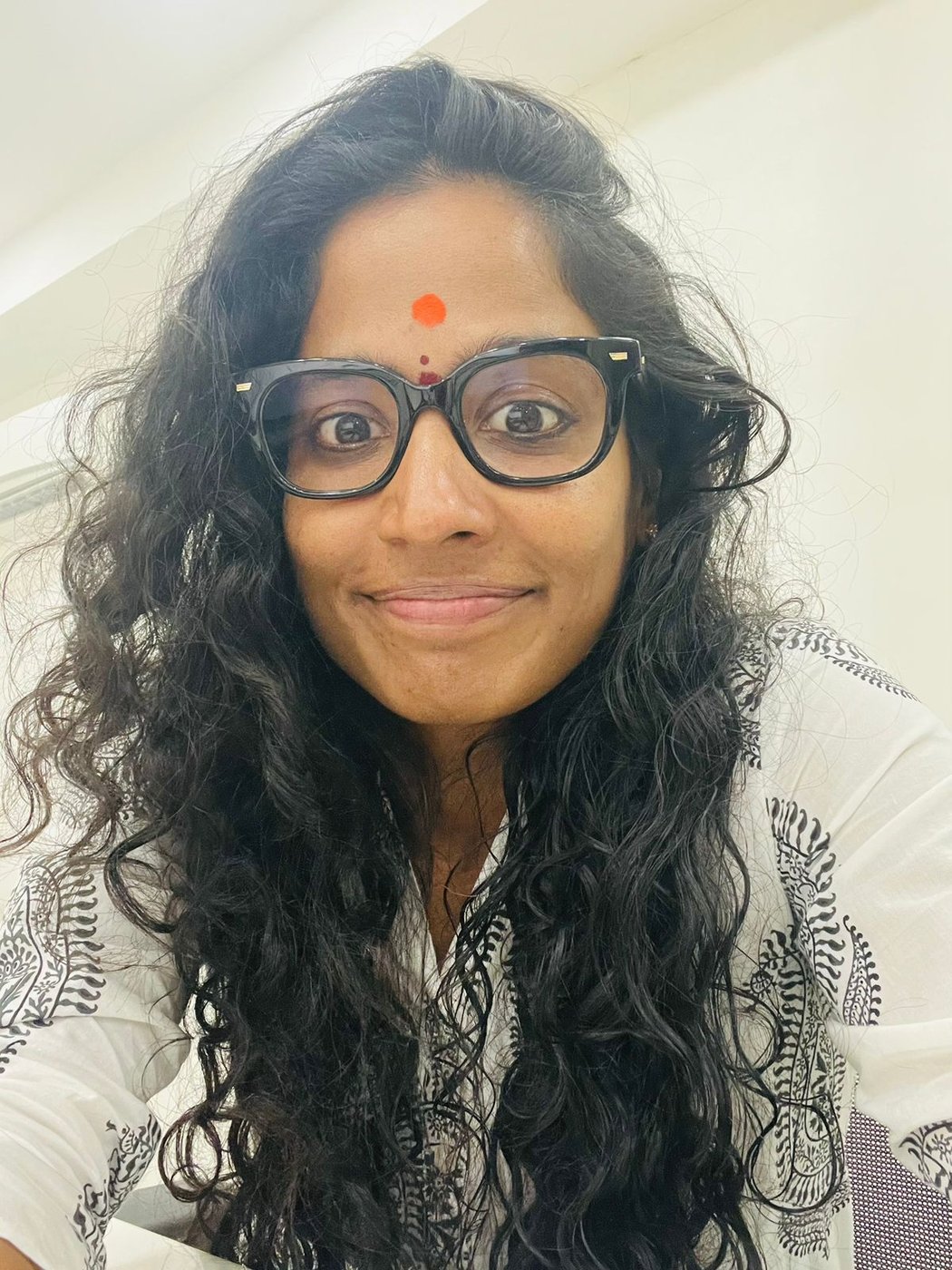
read the verdict in fullThirty-six glimpses of the same person.
None of them complete on their own, all of them necessary.
III IIIIV
IIIIV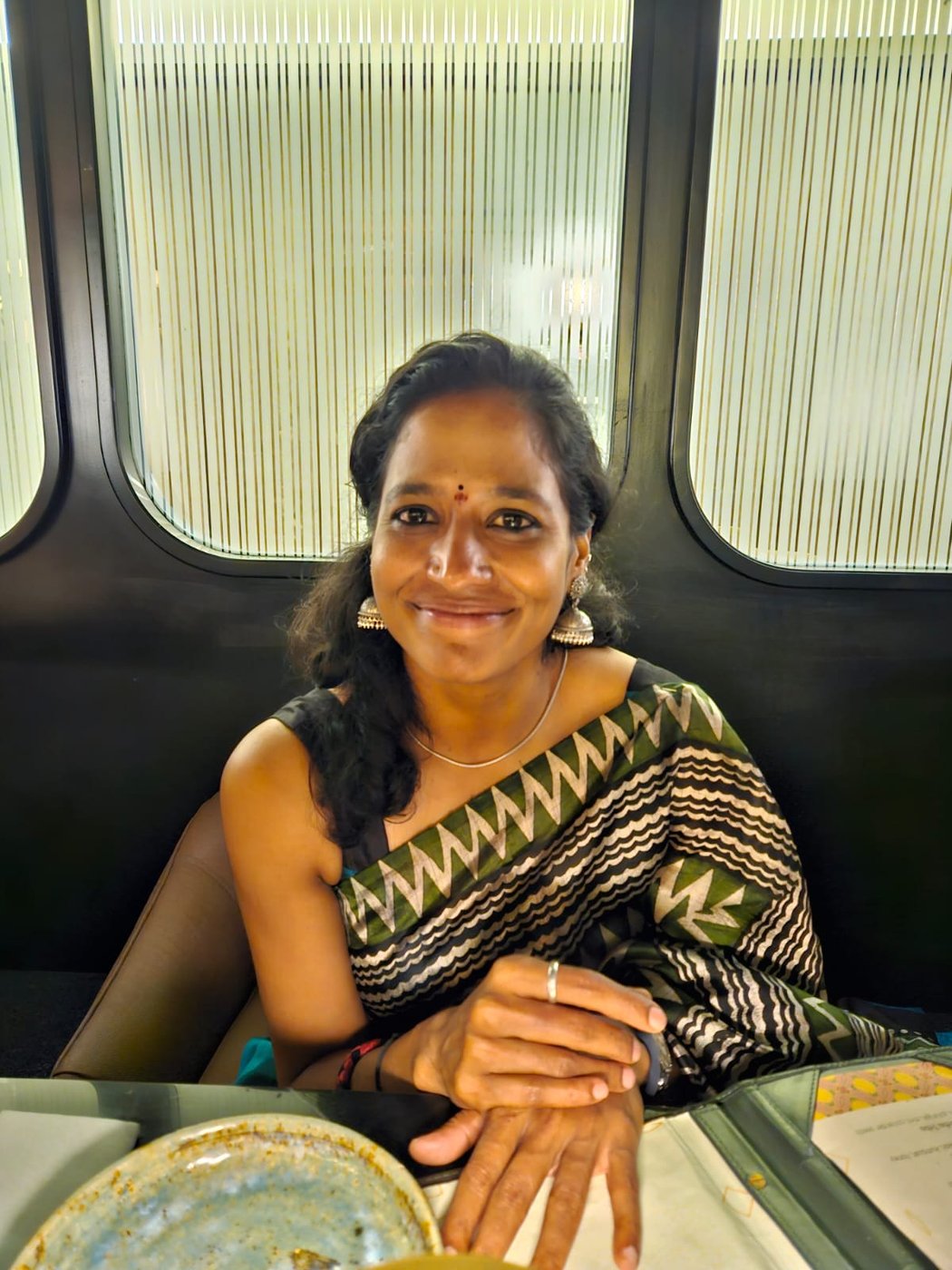 V
V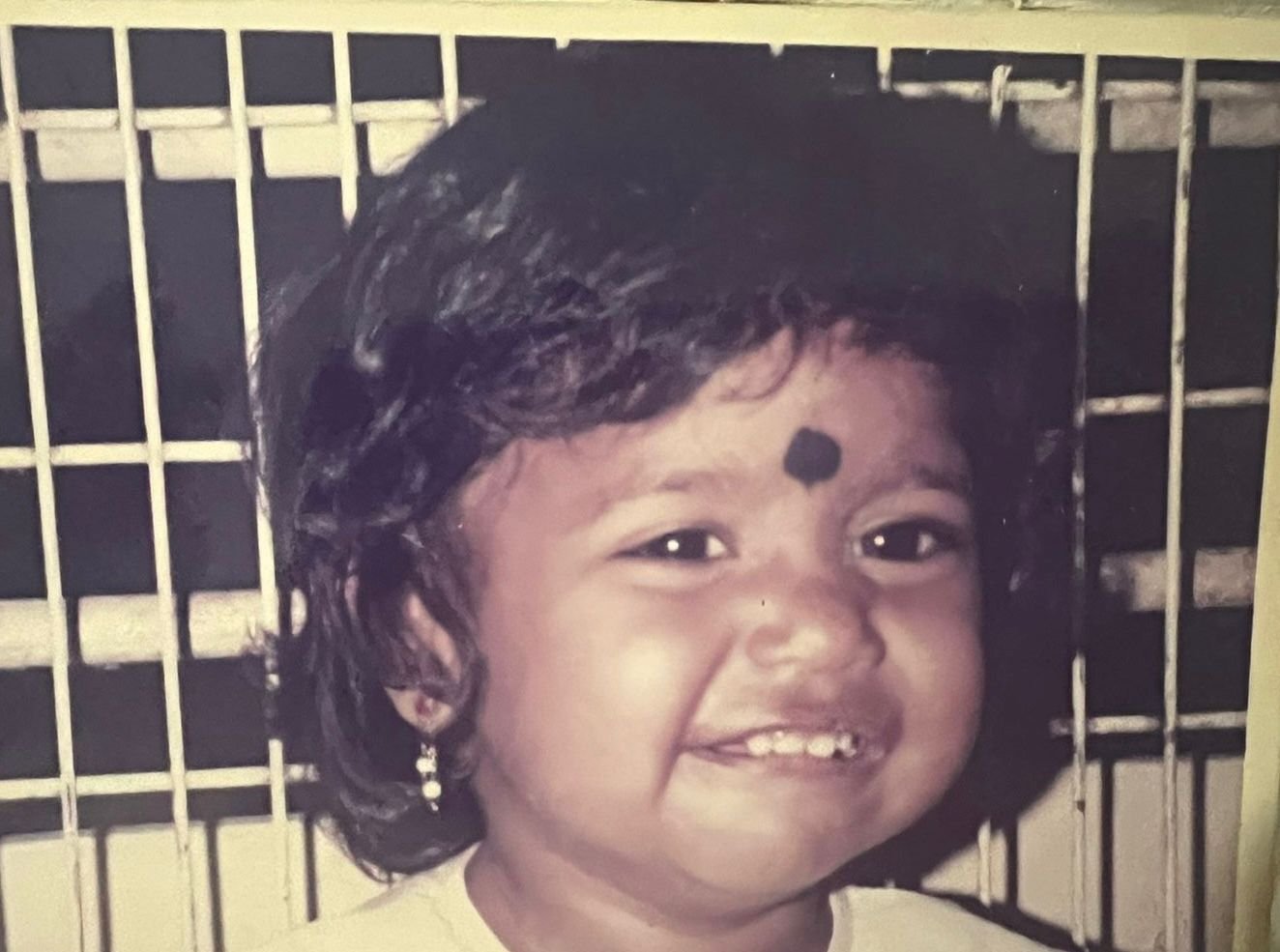 VIVII
VIVII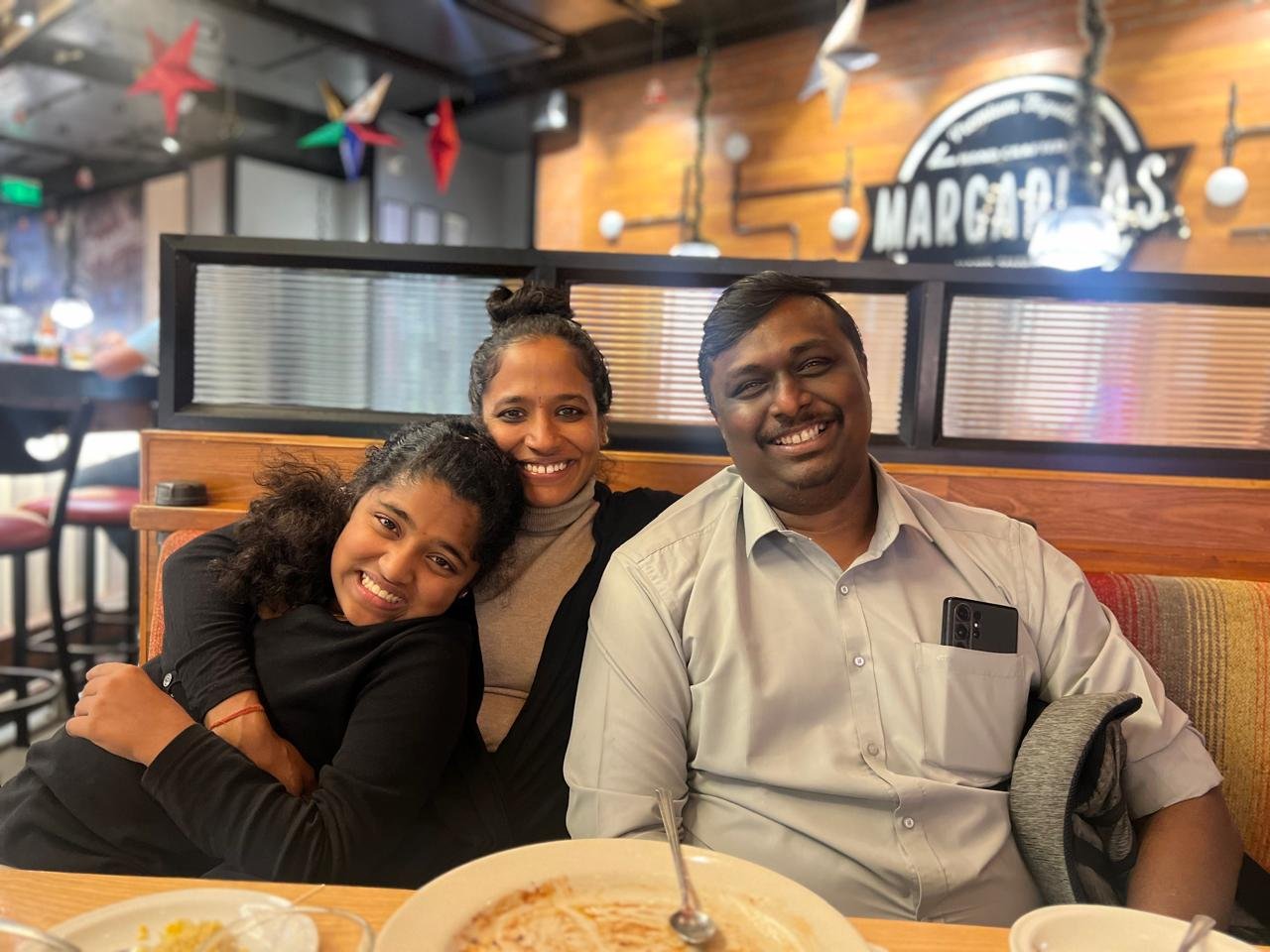 VIII
VIII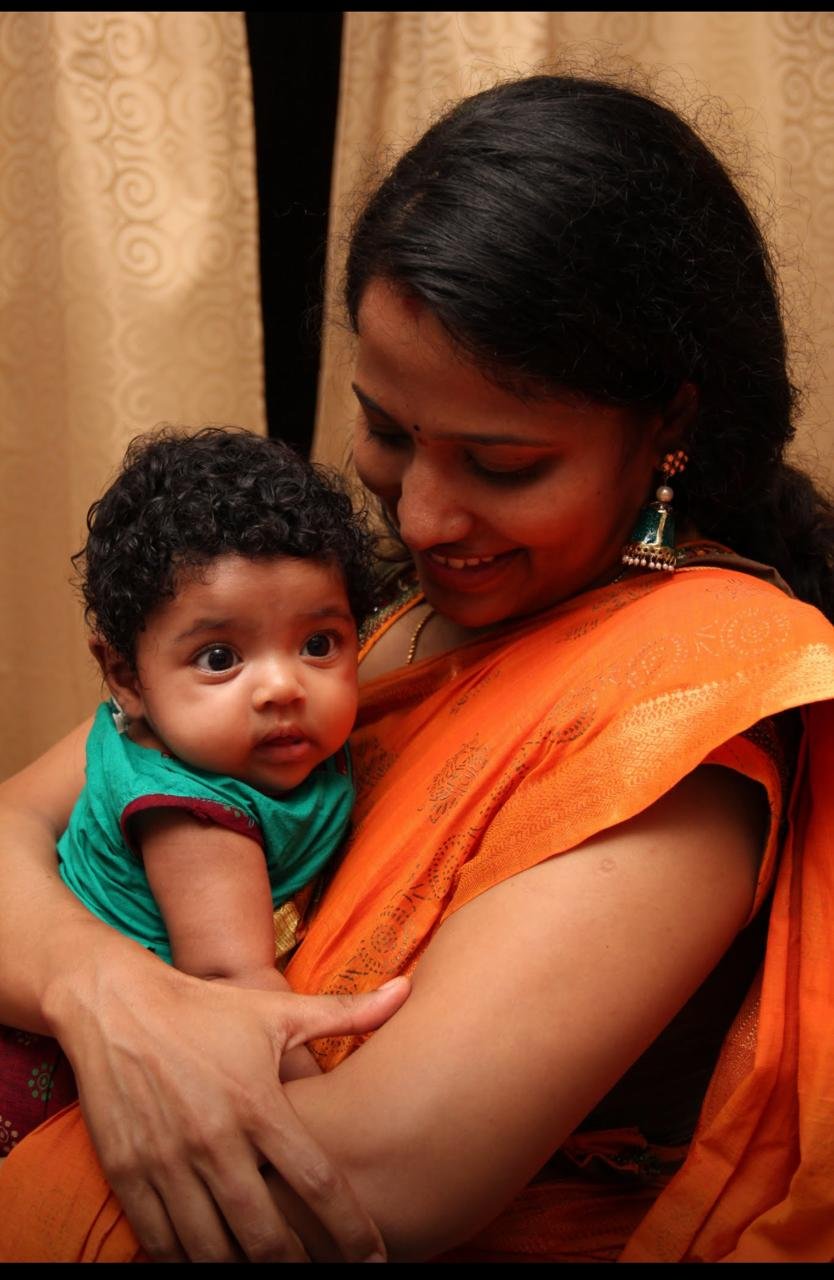 IXX
IXX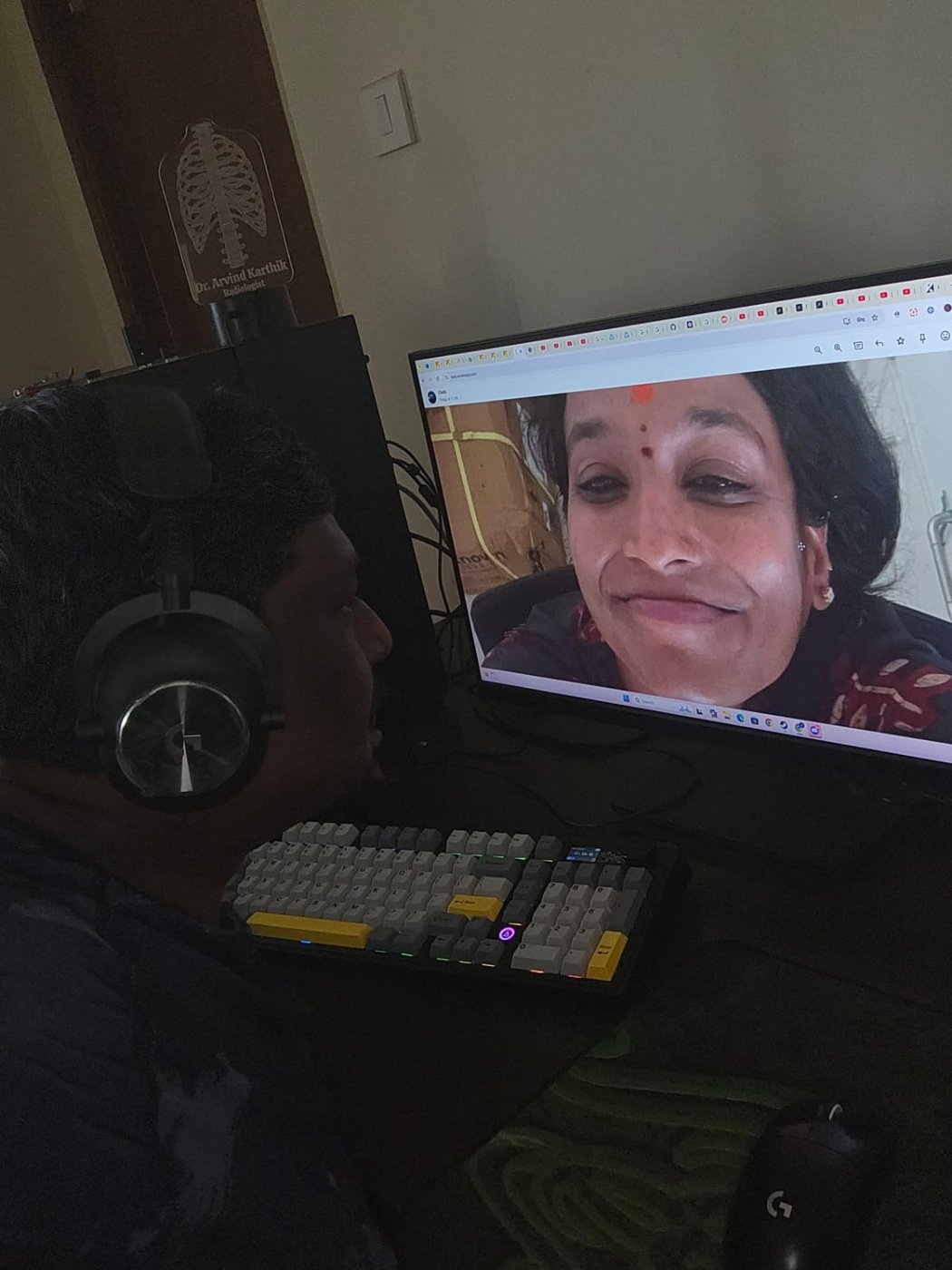 XI
XI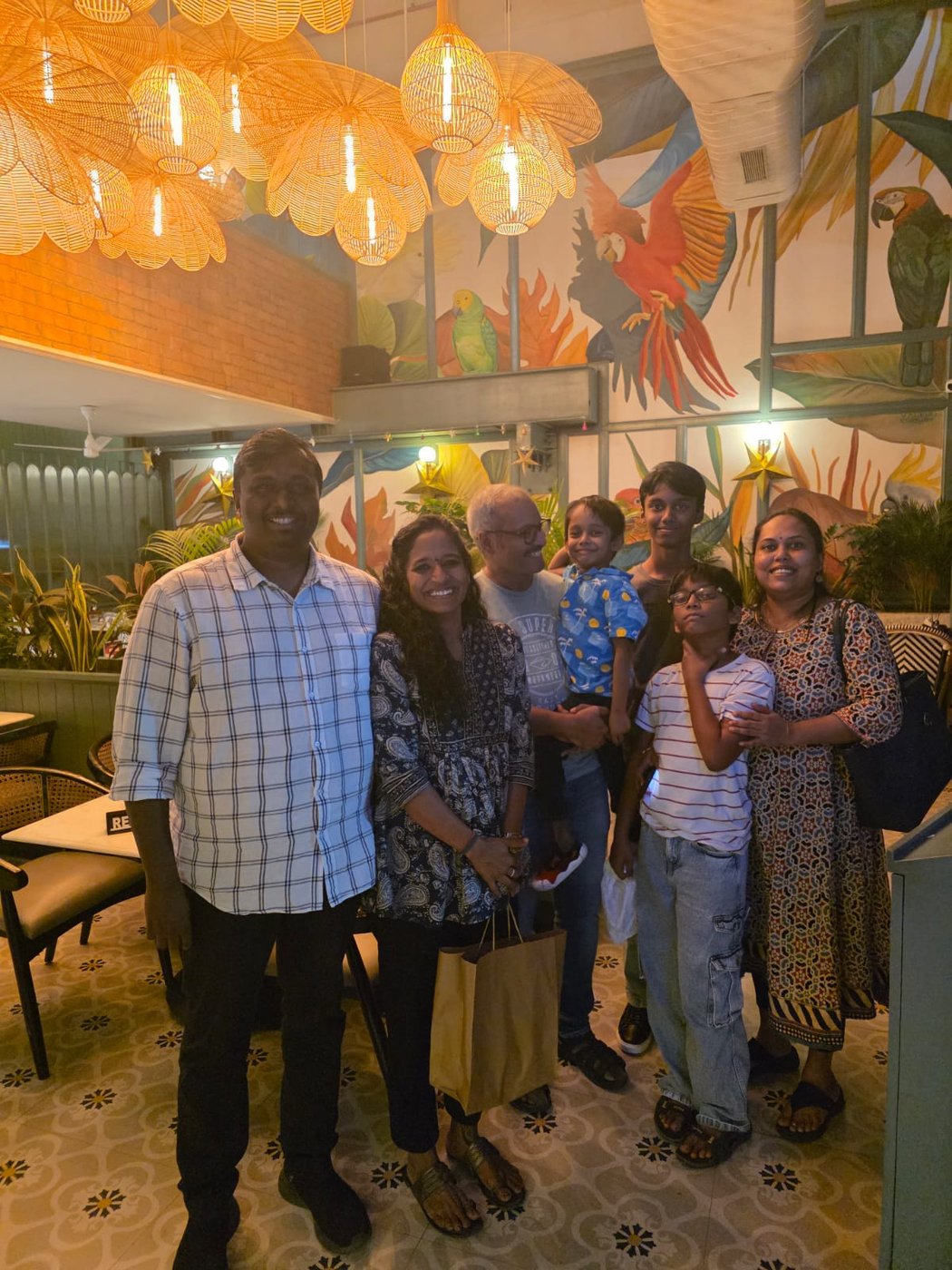 XII
XII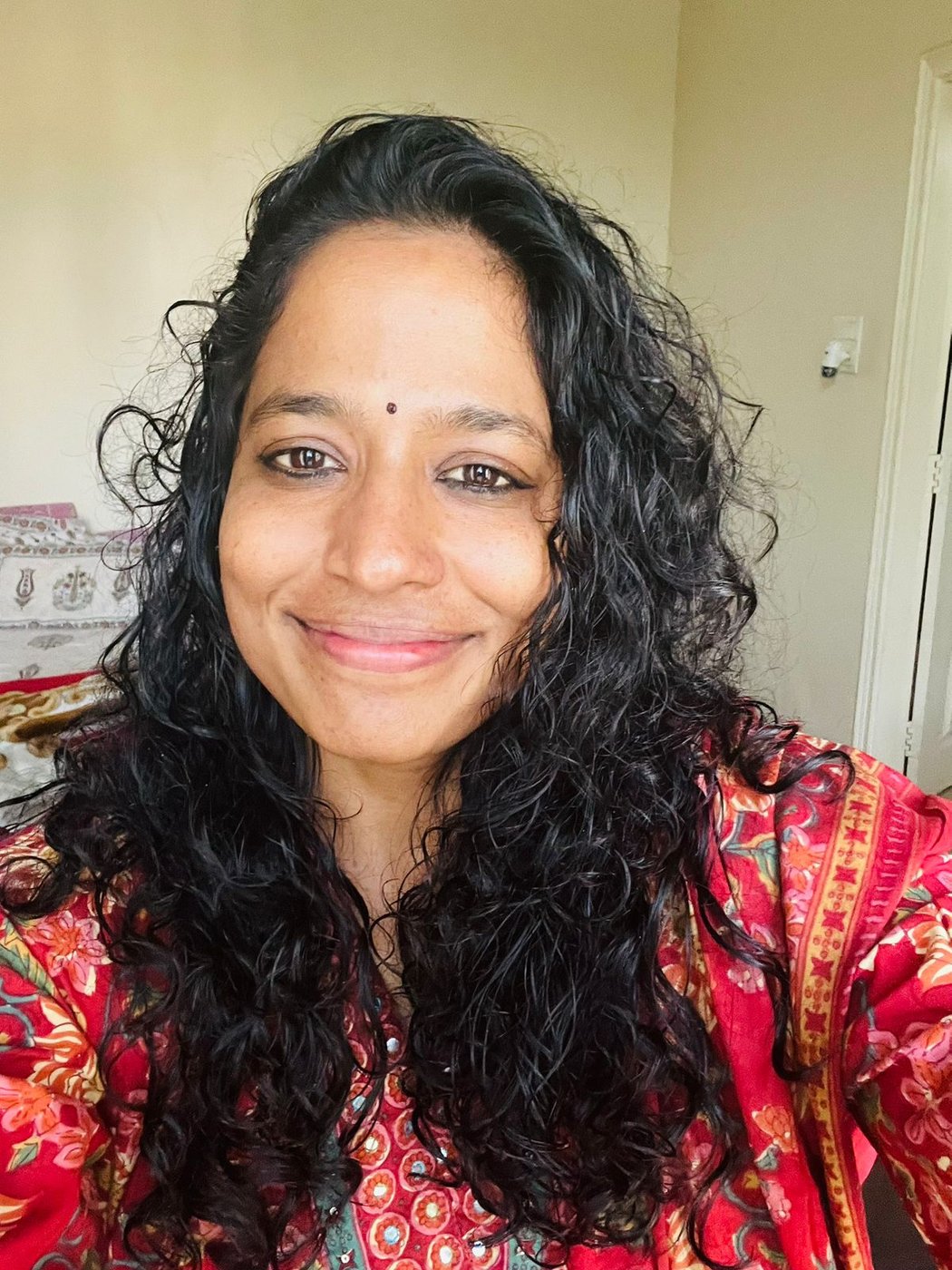 XIII
XIII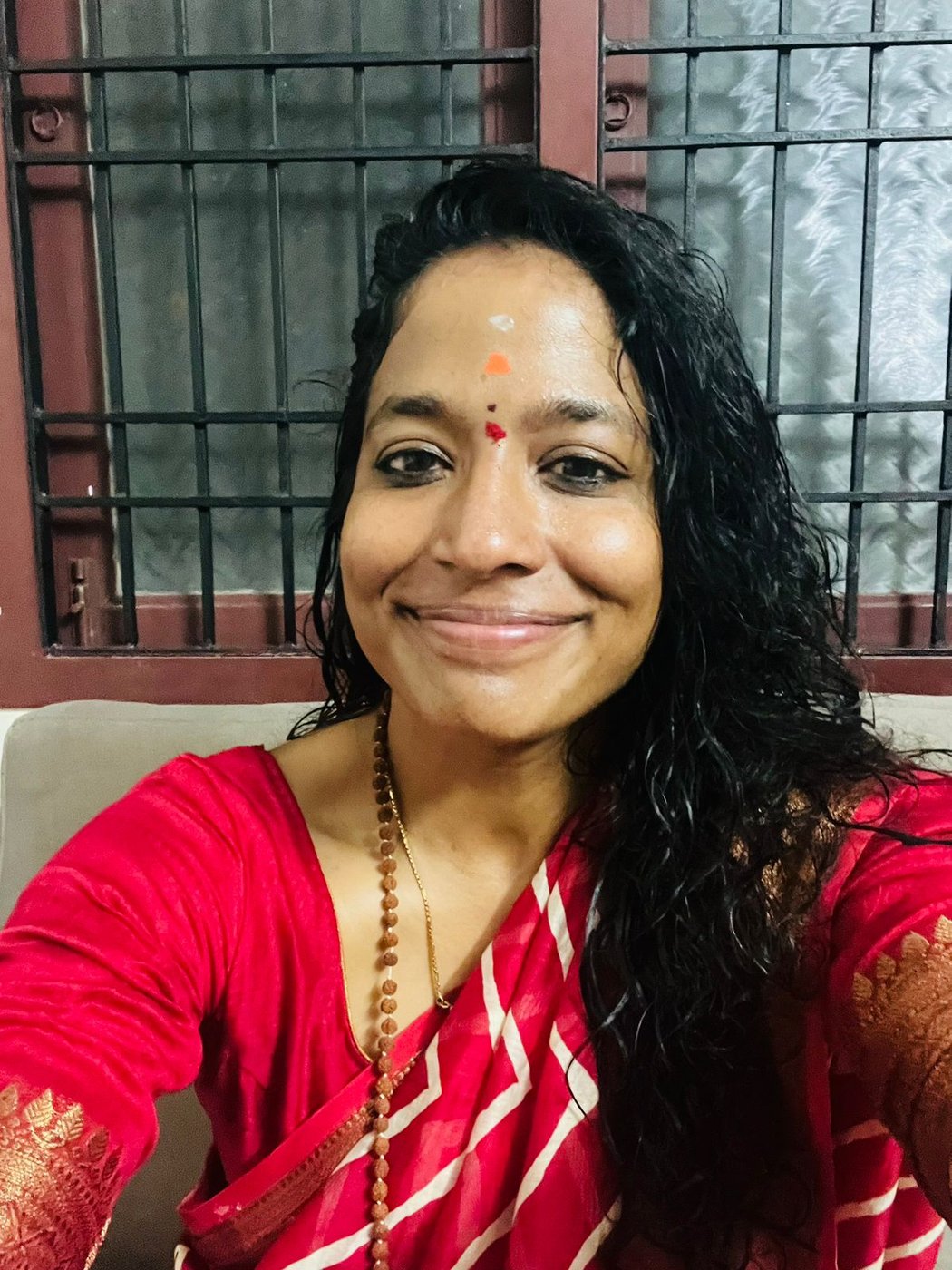 XIVXV
XIVXV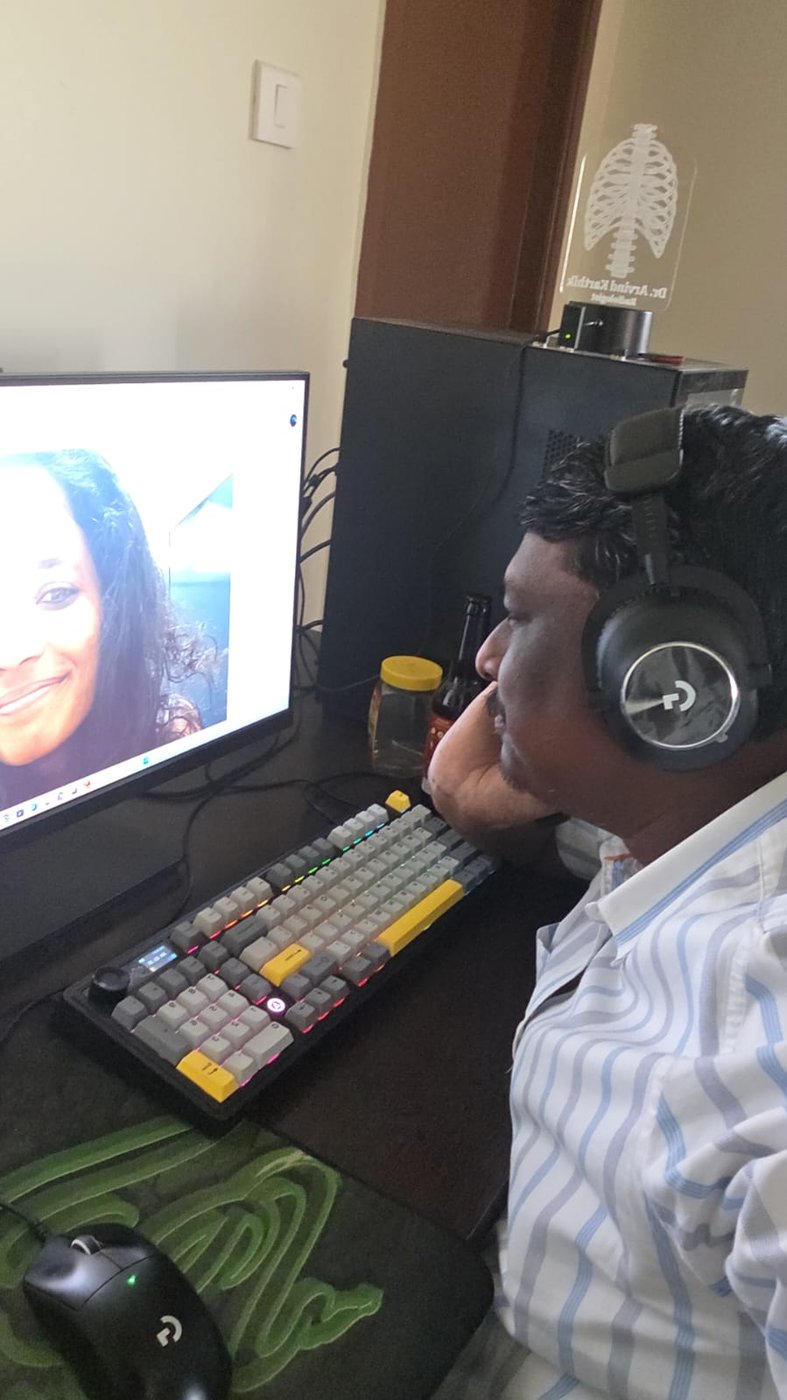 XVI
XVI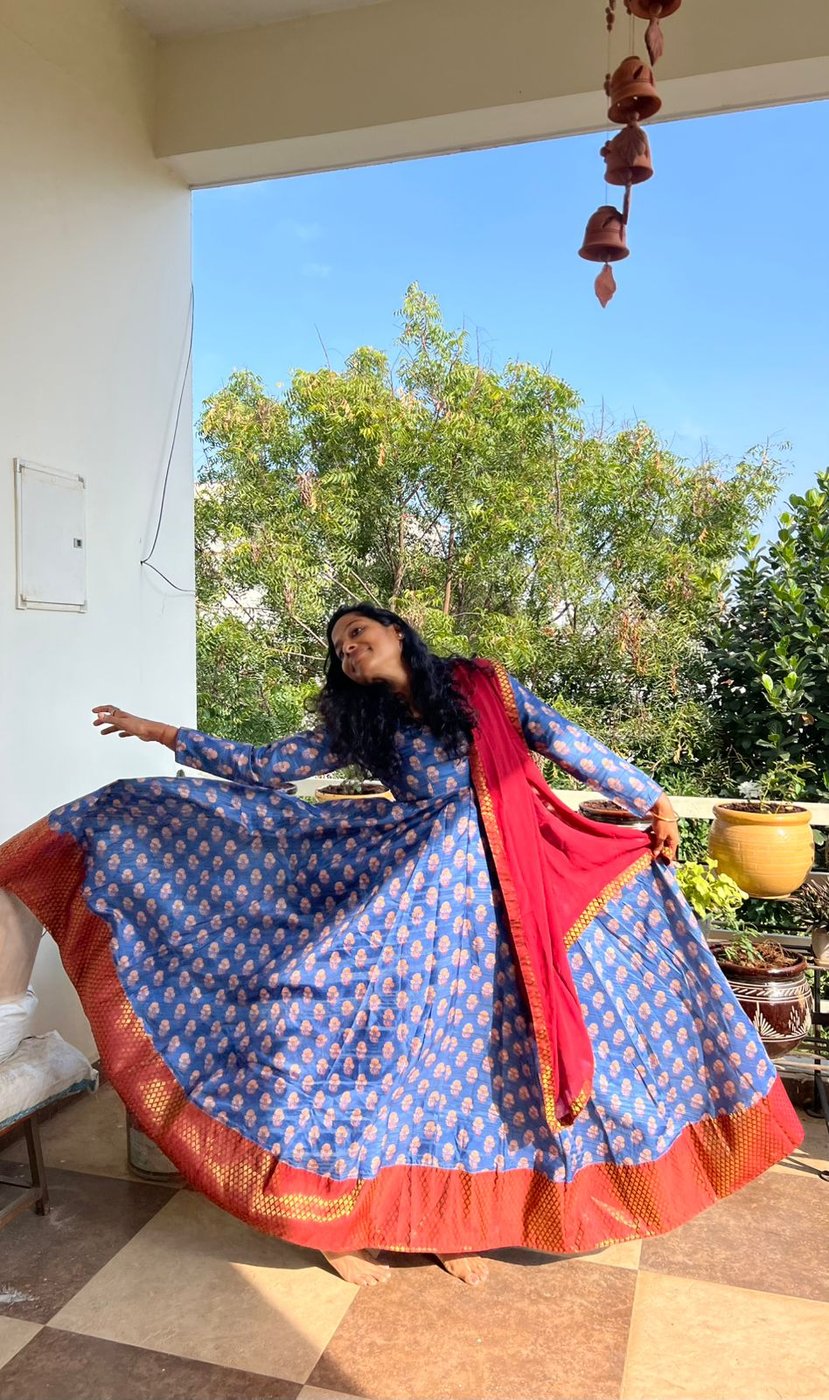 XVII
XVII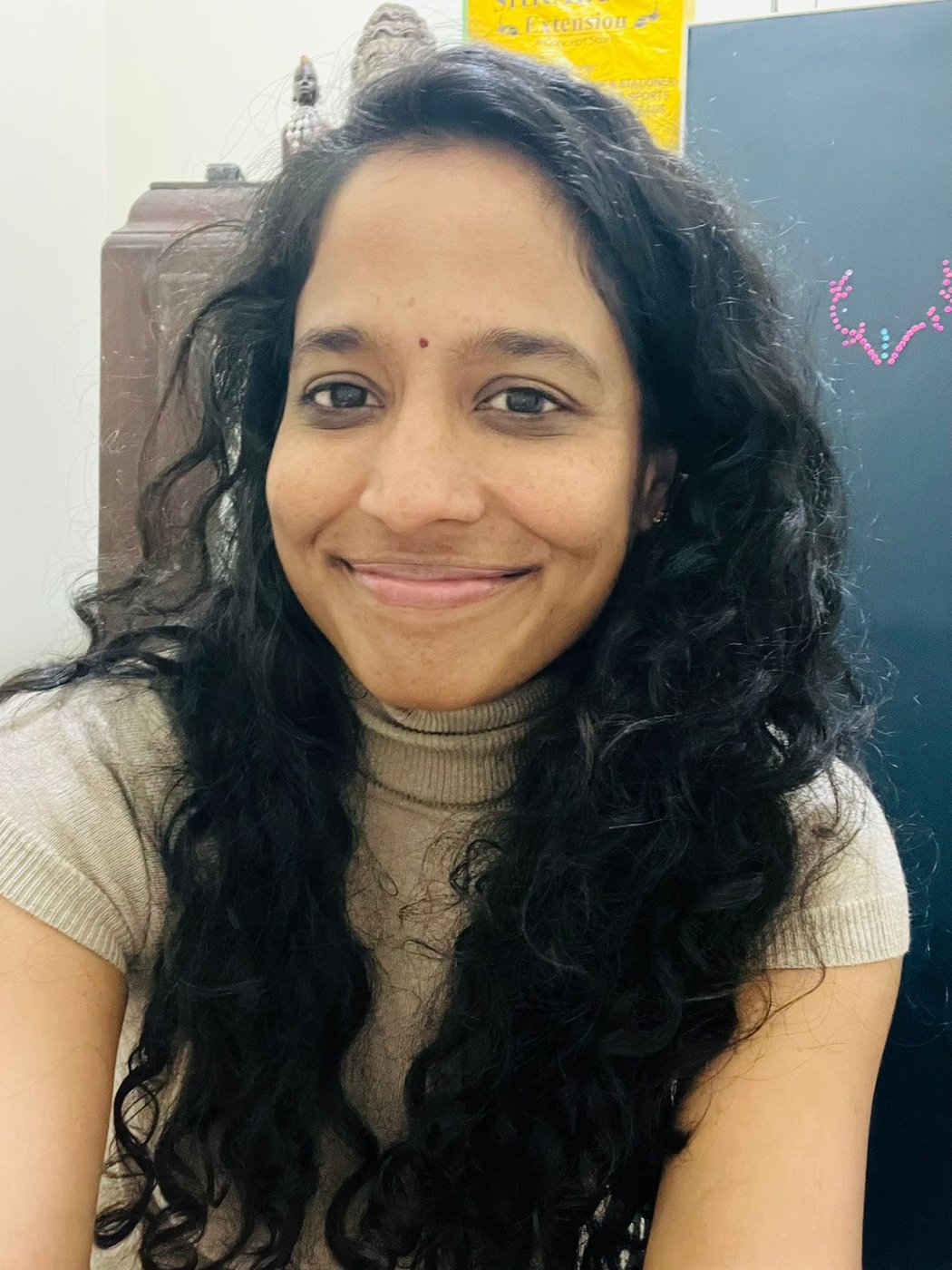 XVIII
XVIII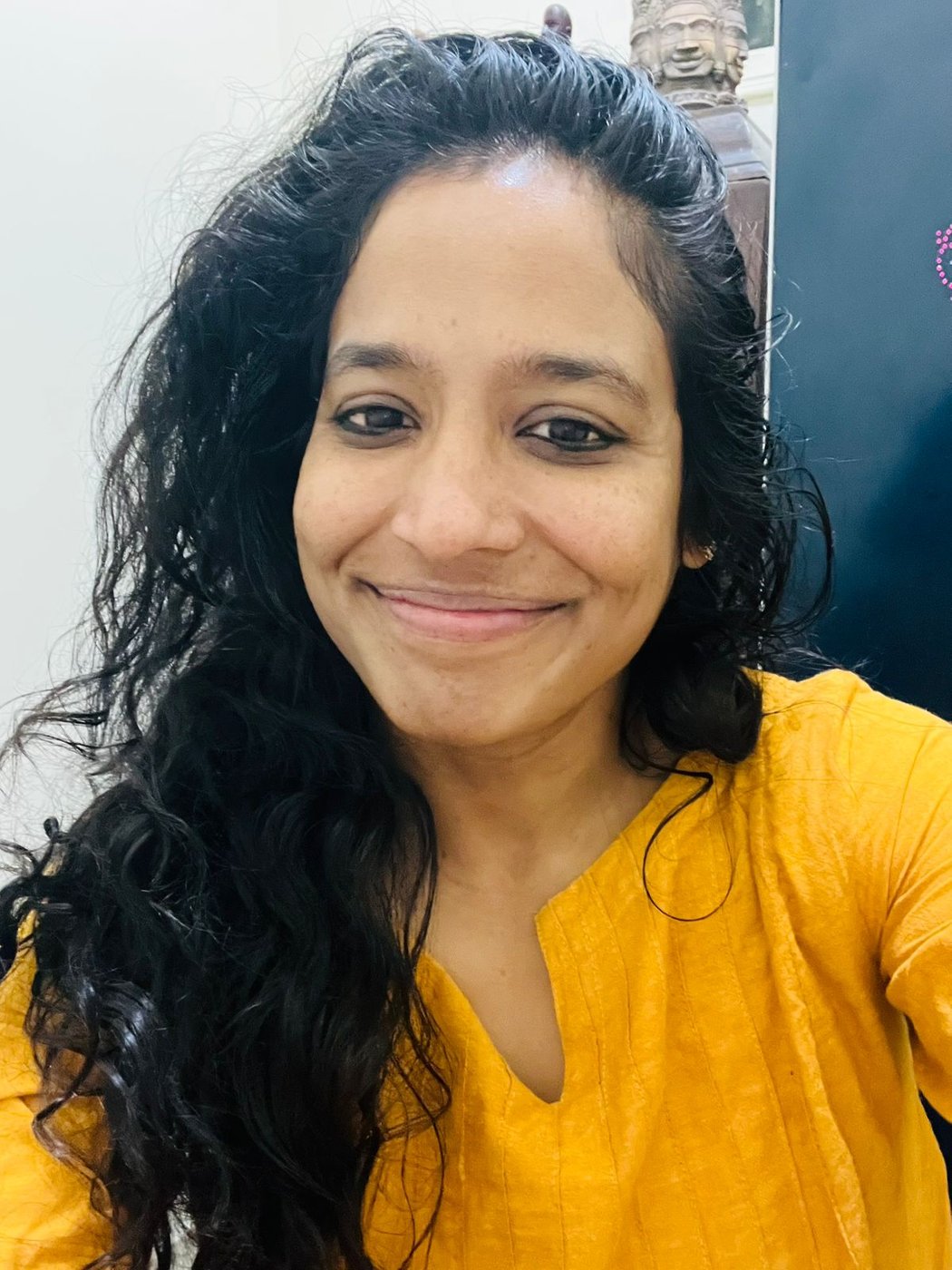 XIX
XIX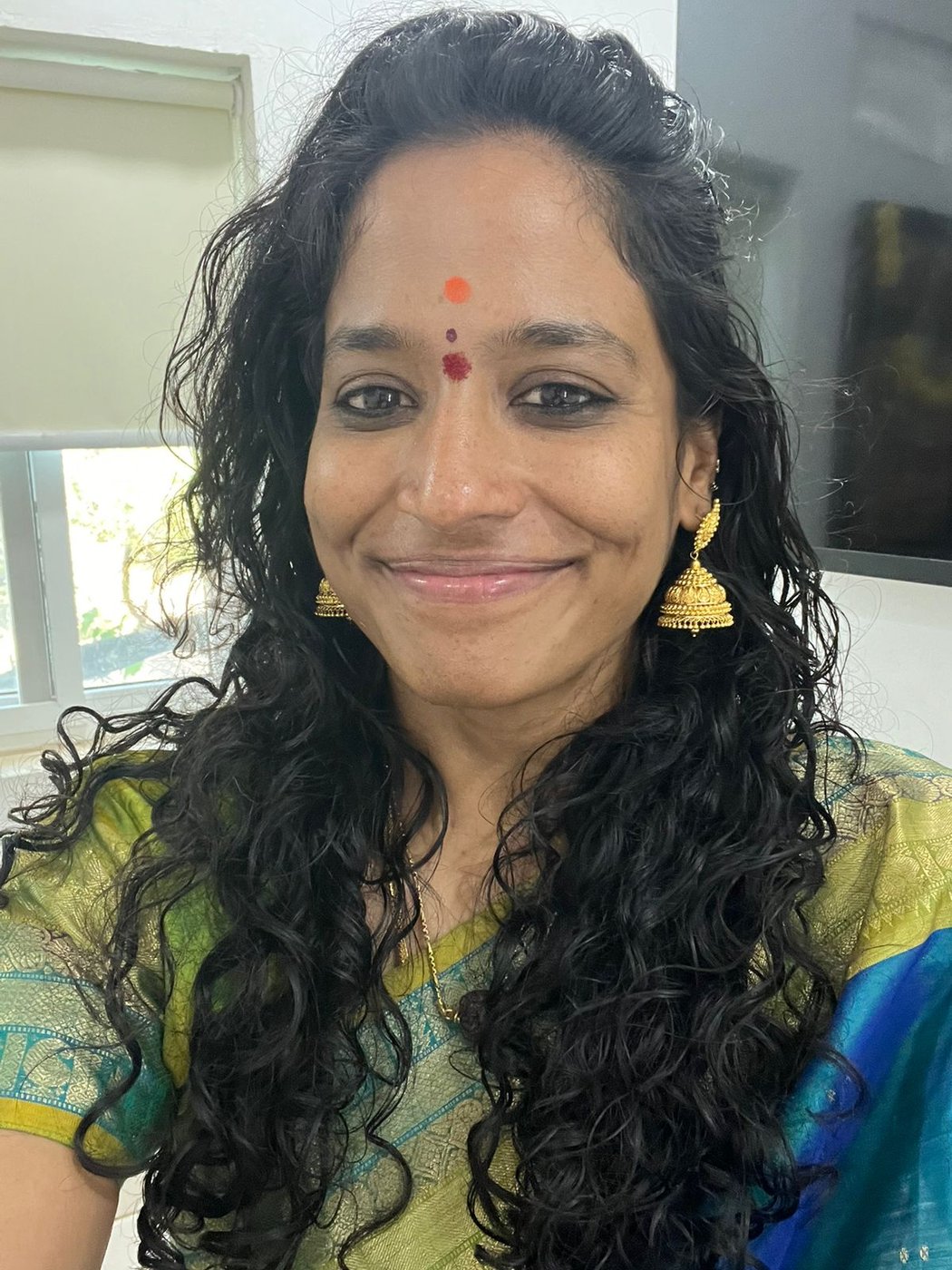 XX
XX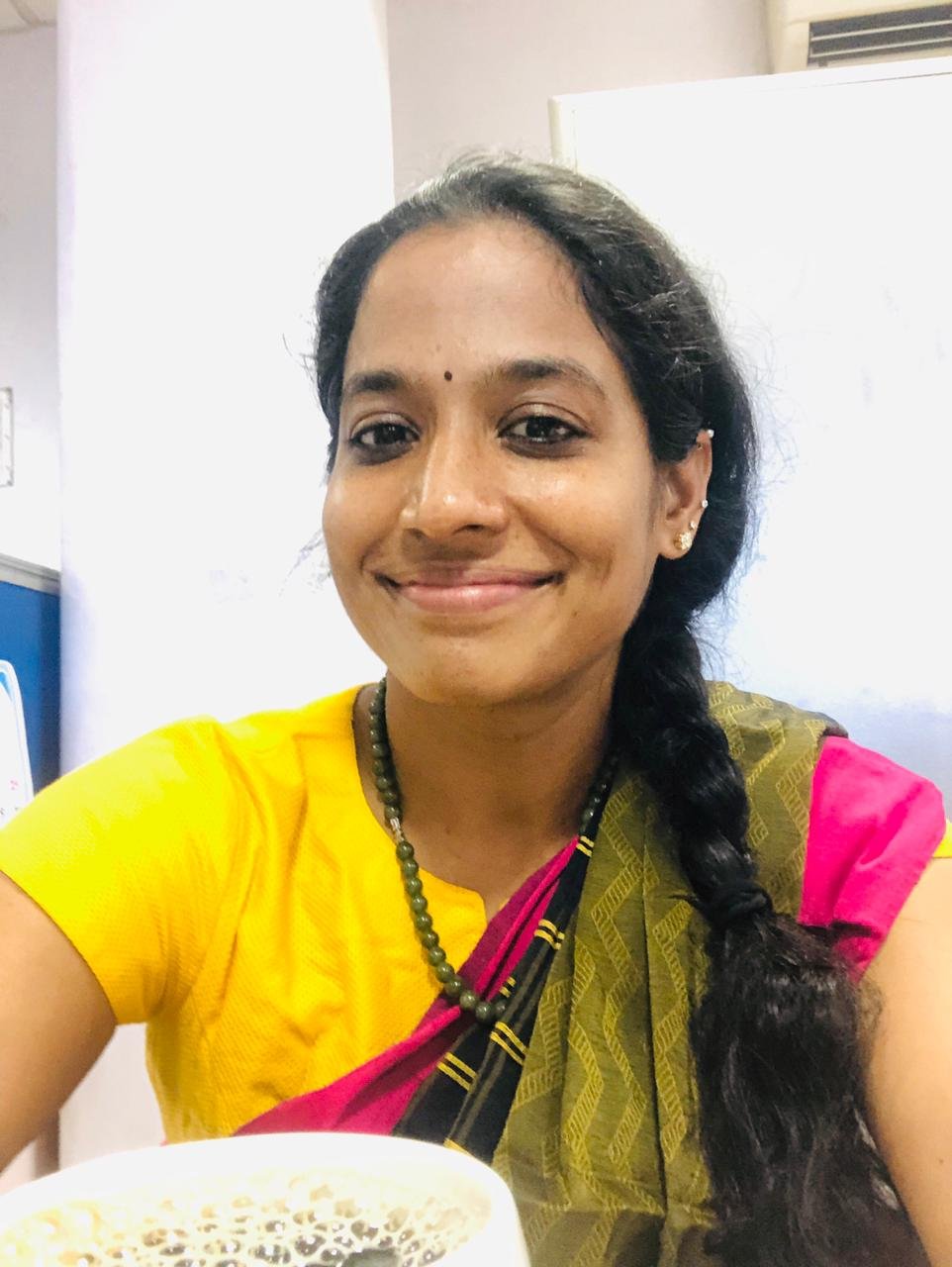 XXI
XXI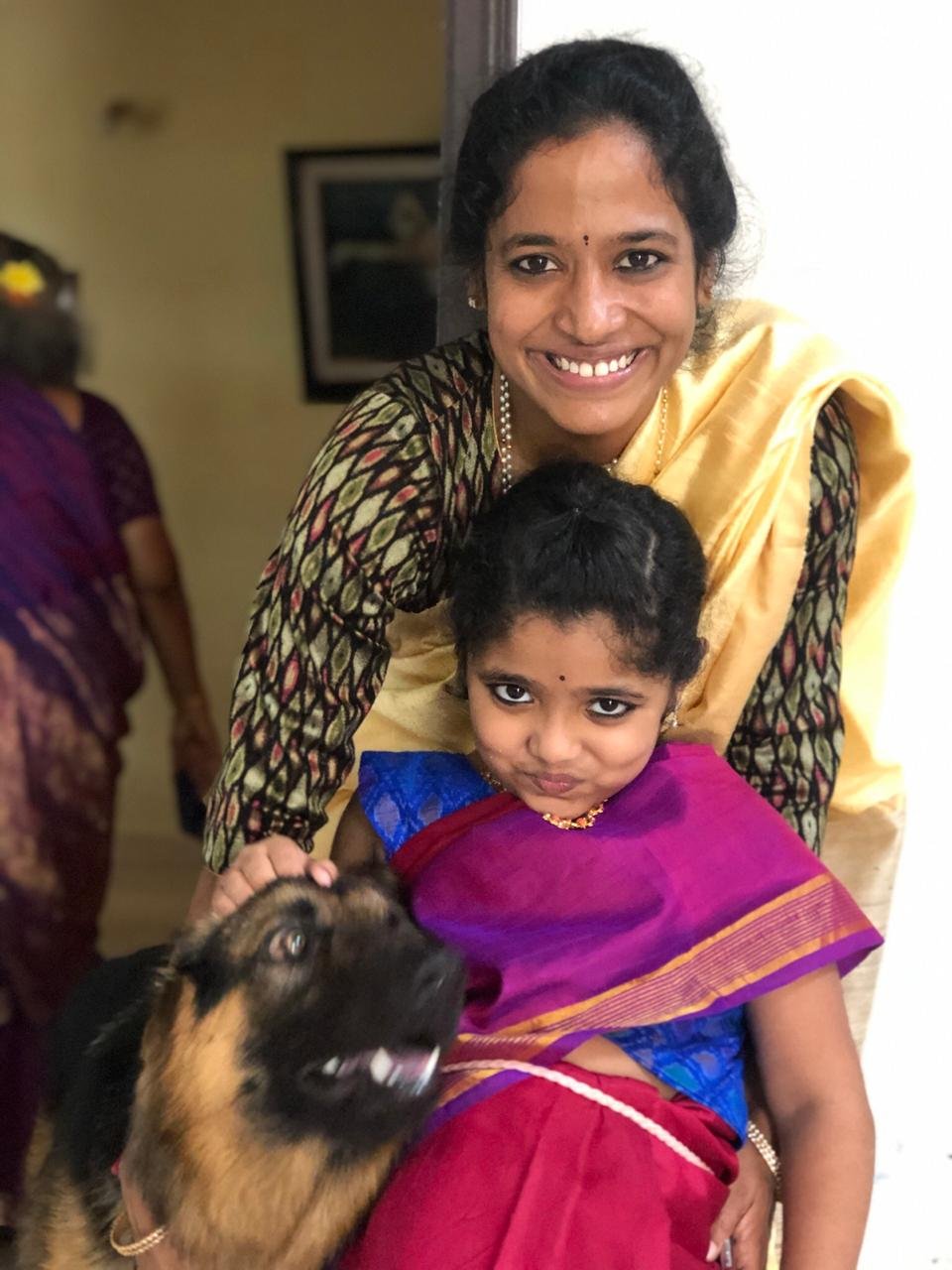 XXII
XXII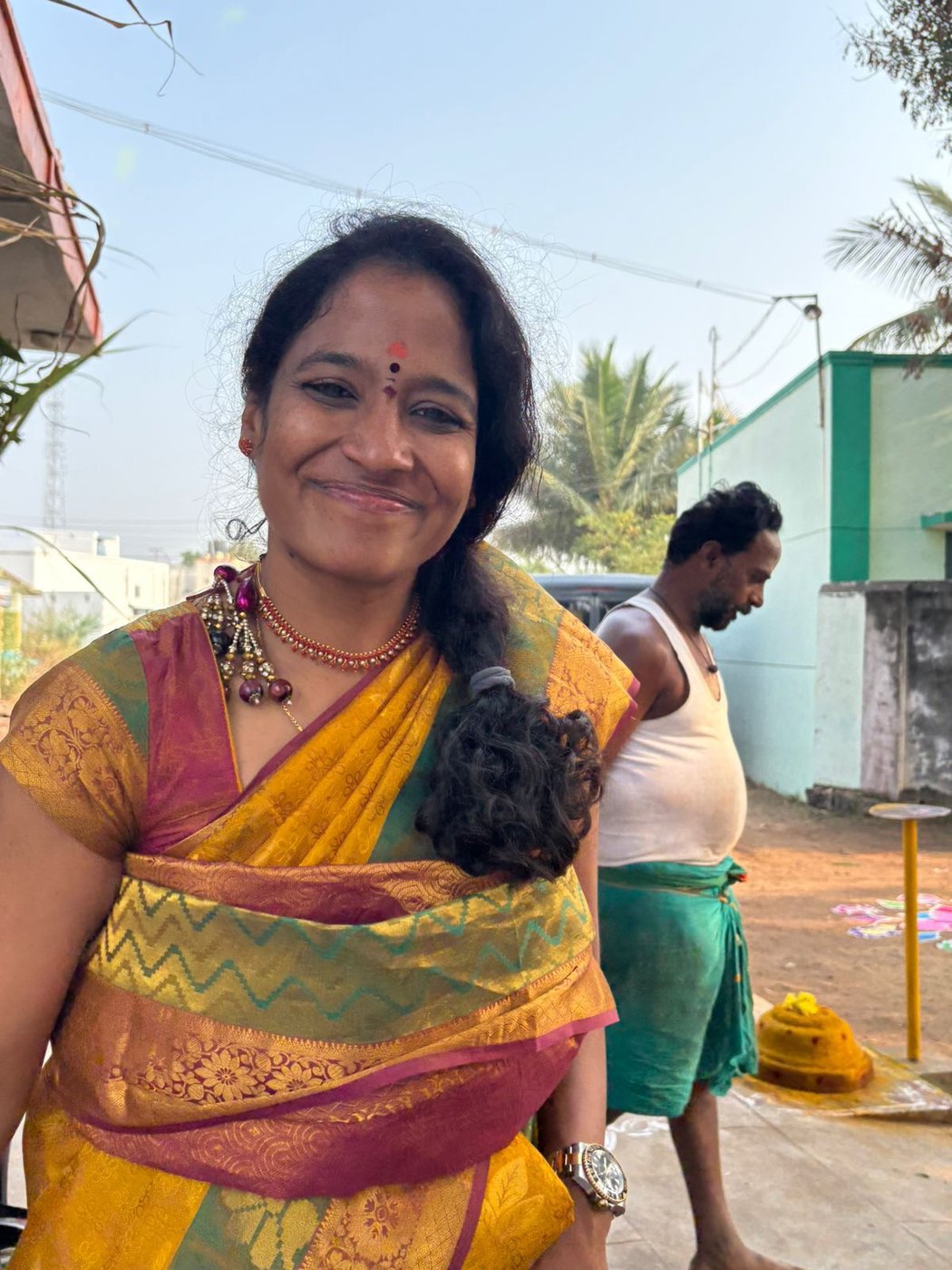 XXIII
XXIII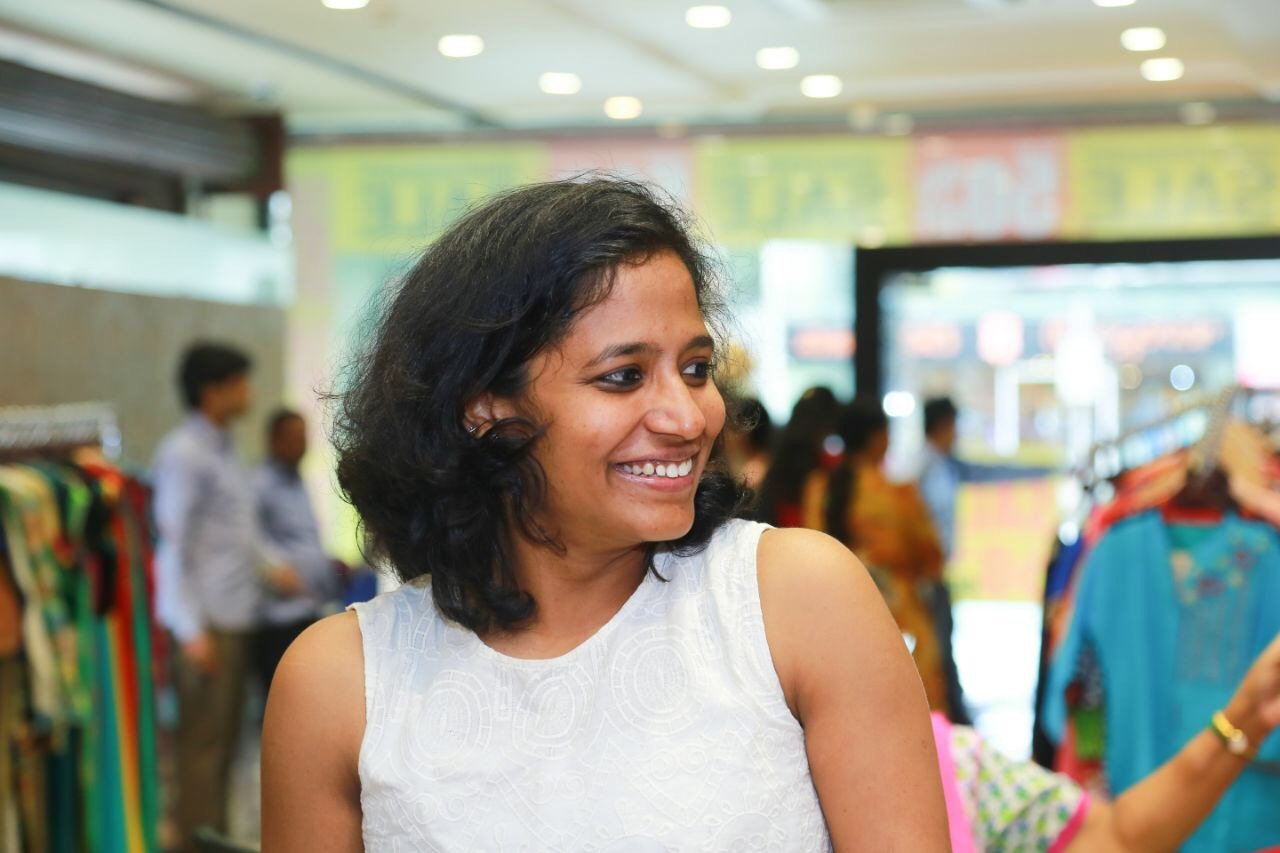 XXIV
XXIV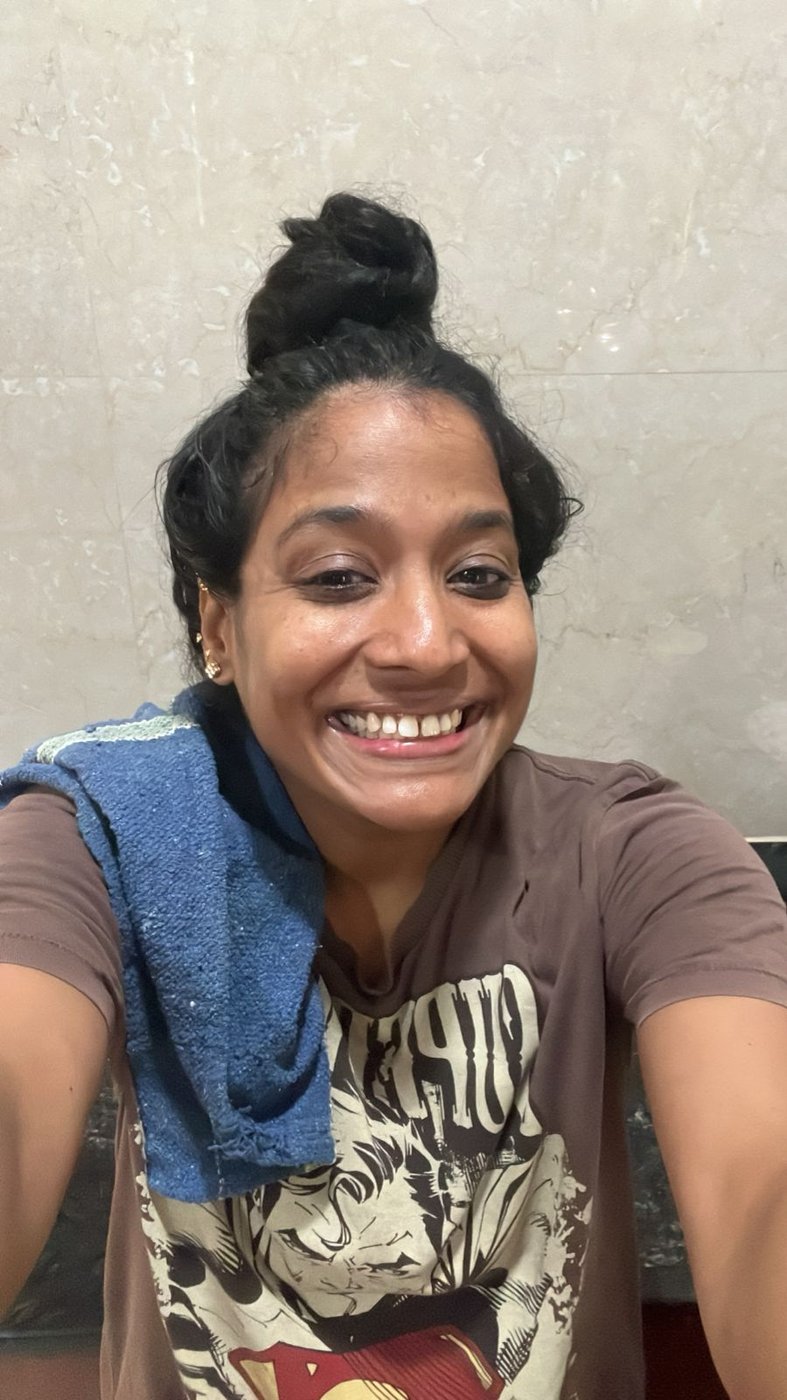 XXV
XXV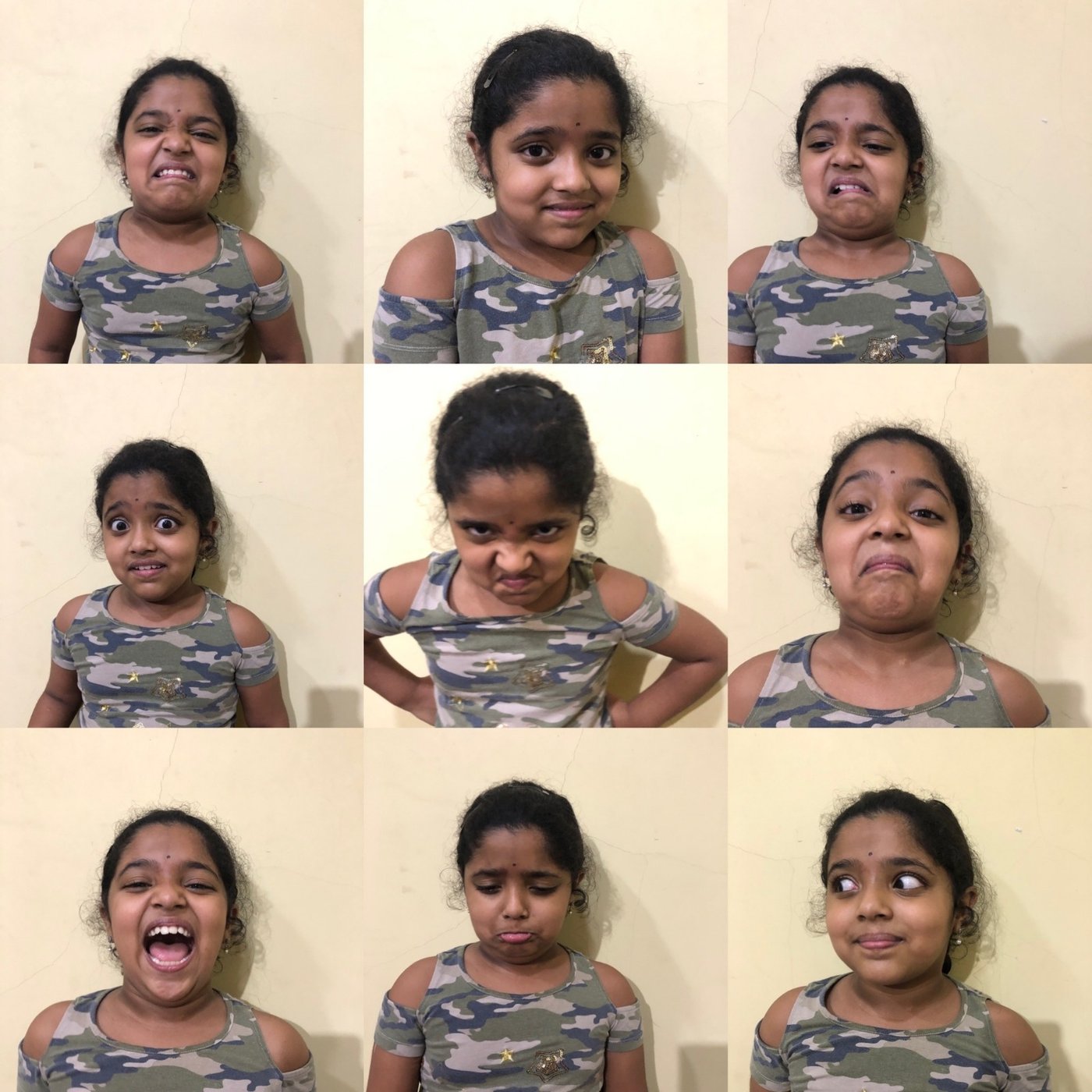 XXVI
XXVI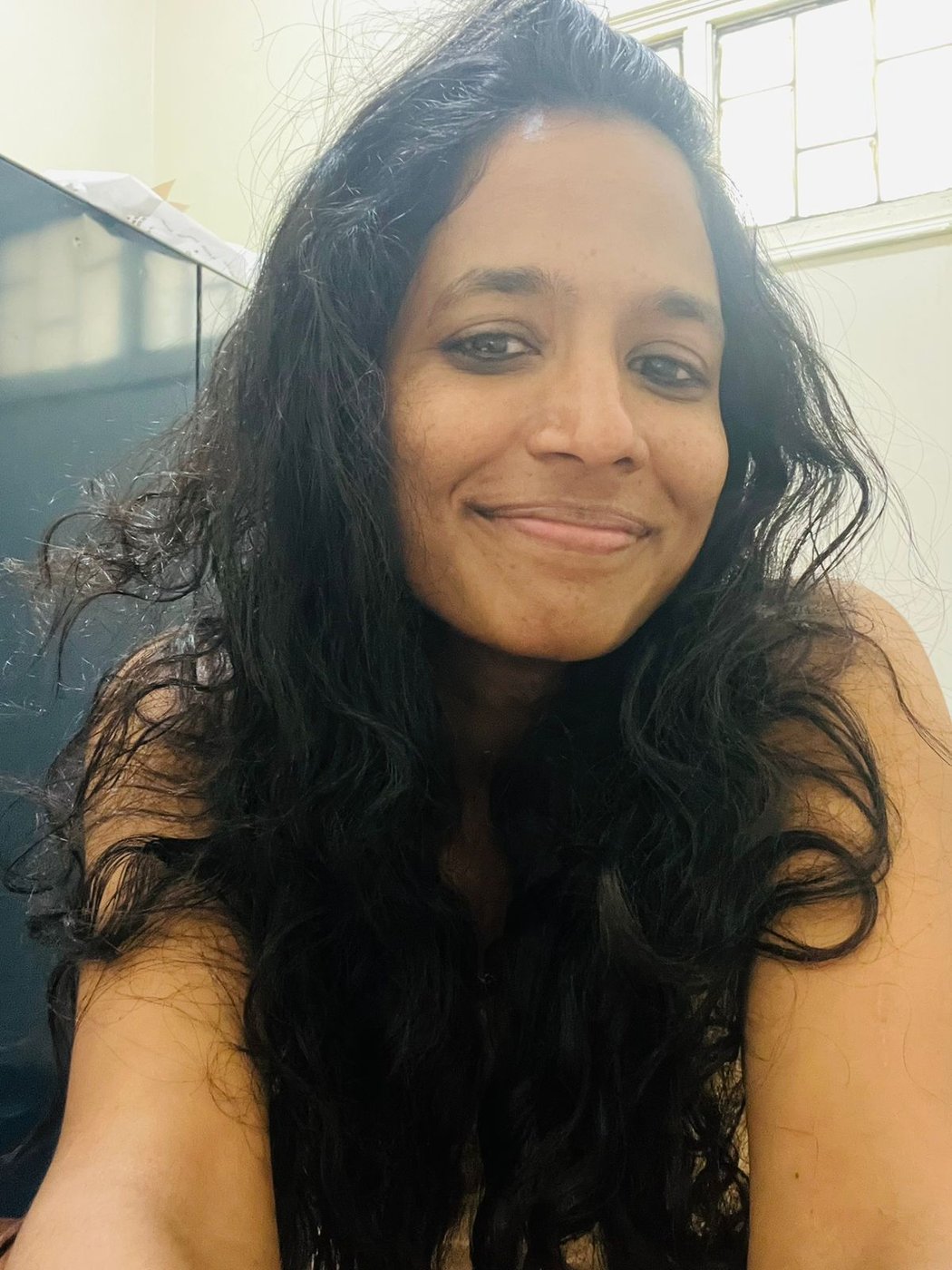 XXVII
XXVII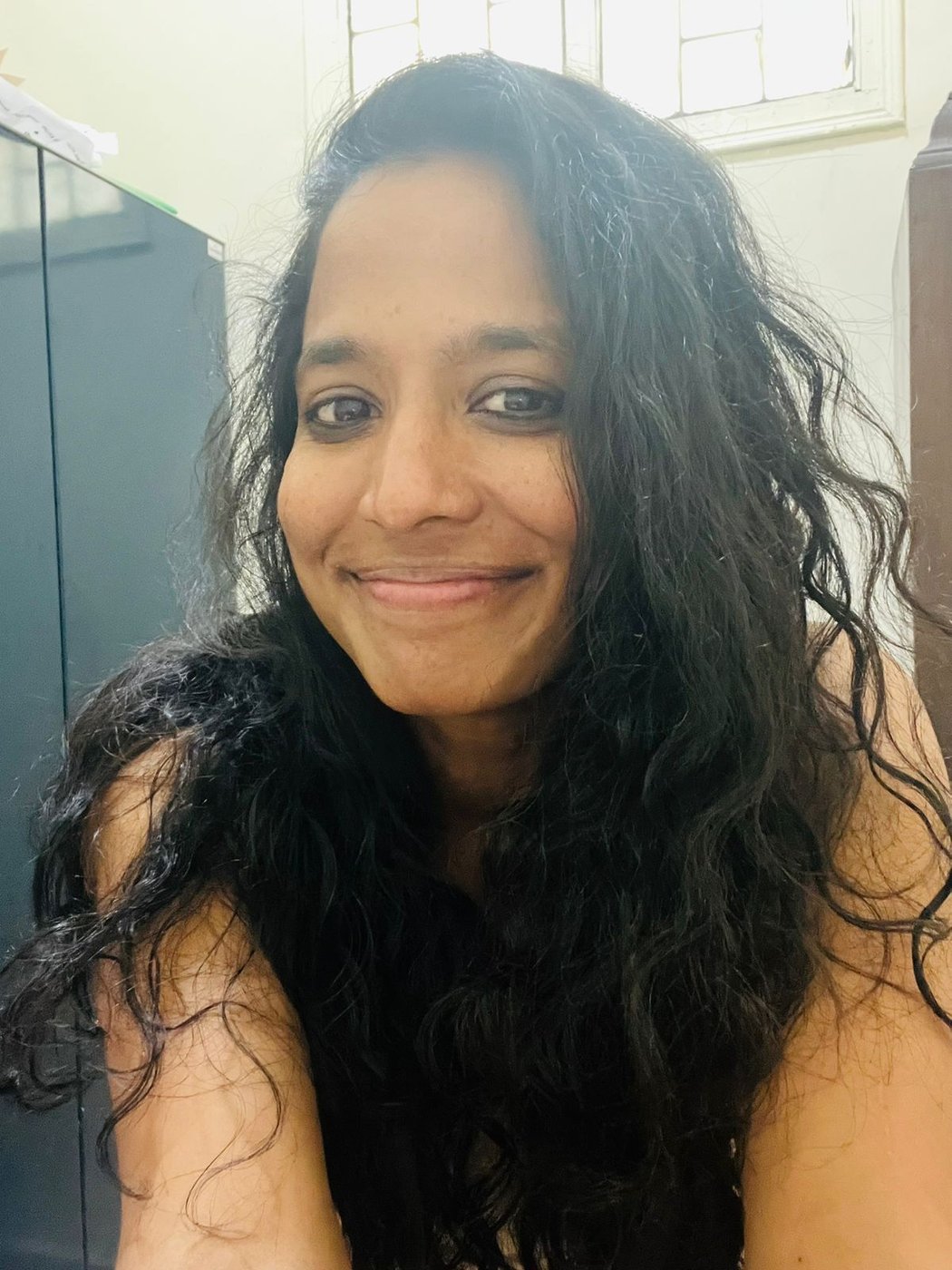 XXVIII
 XXIX
XXIX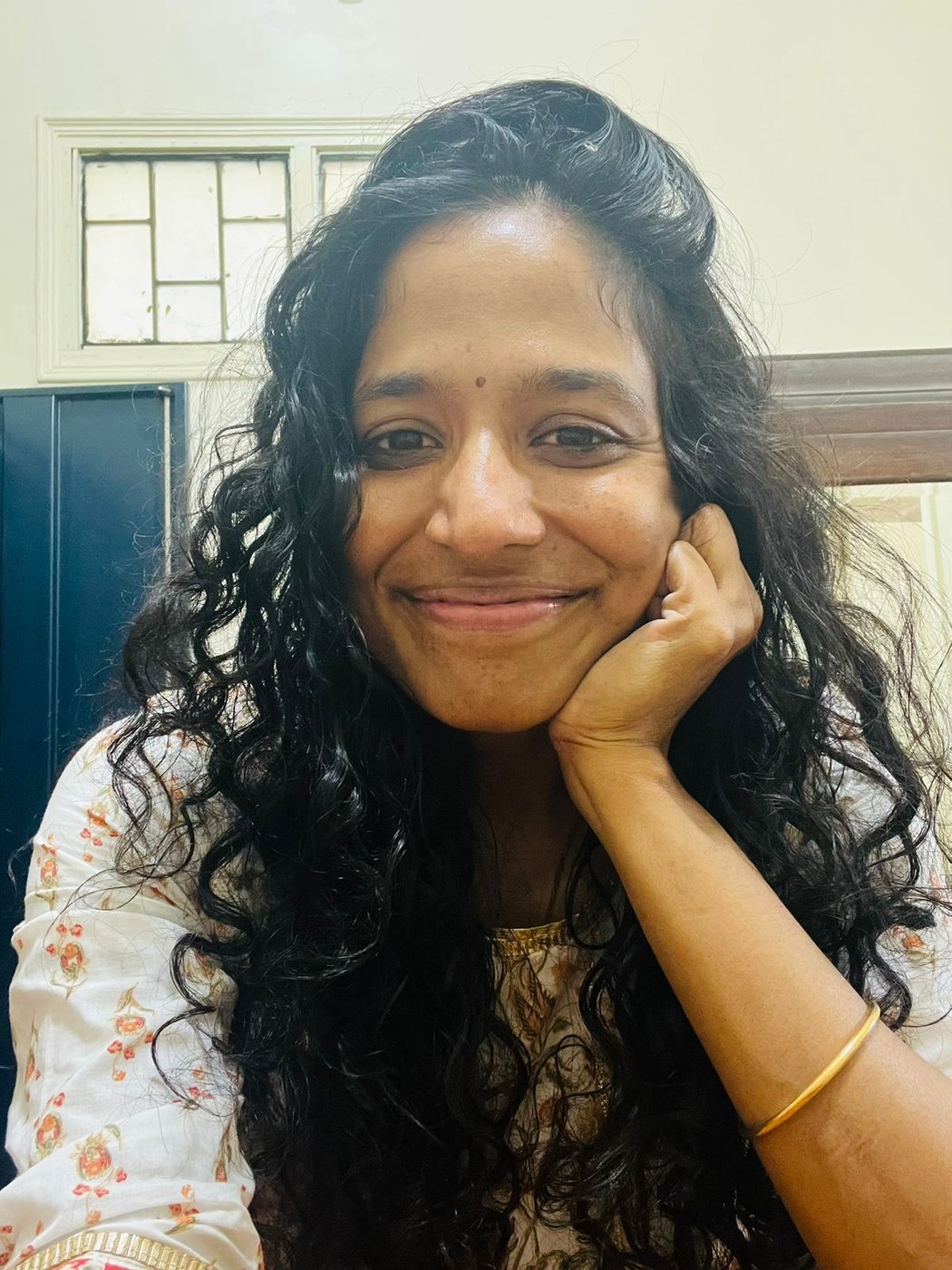 XXX
XXX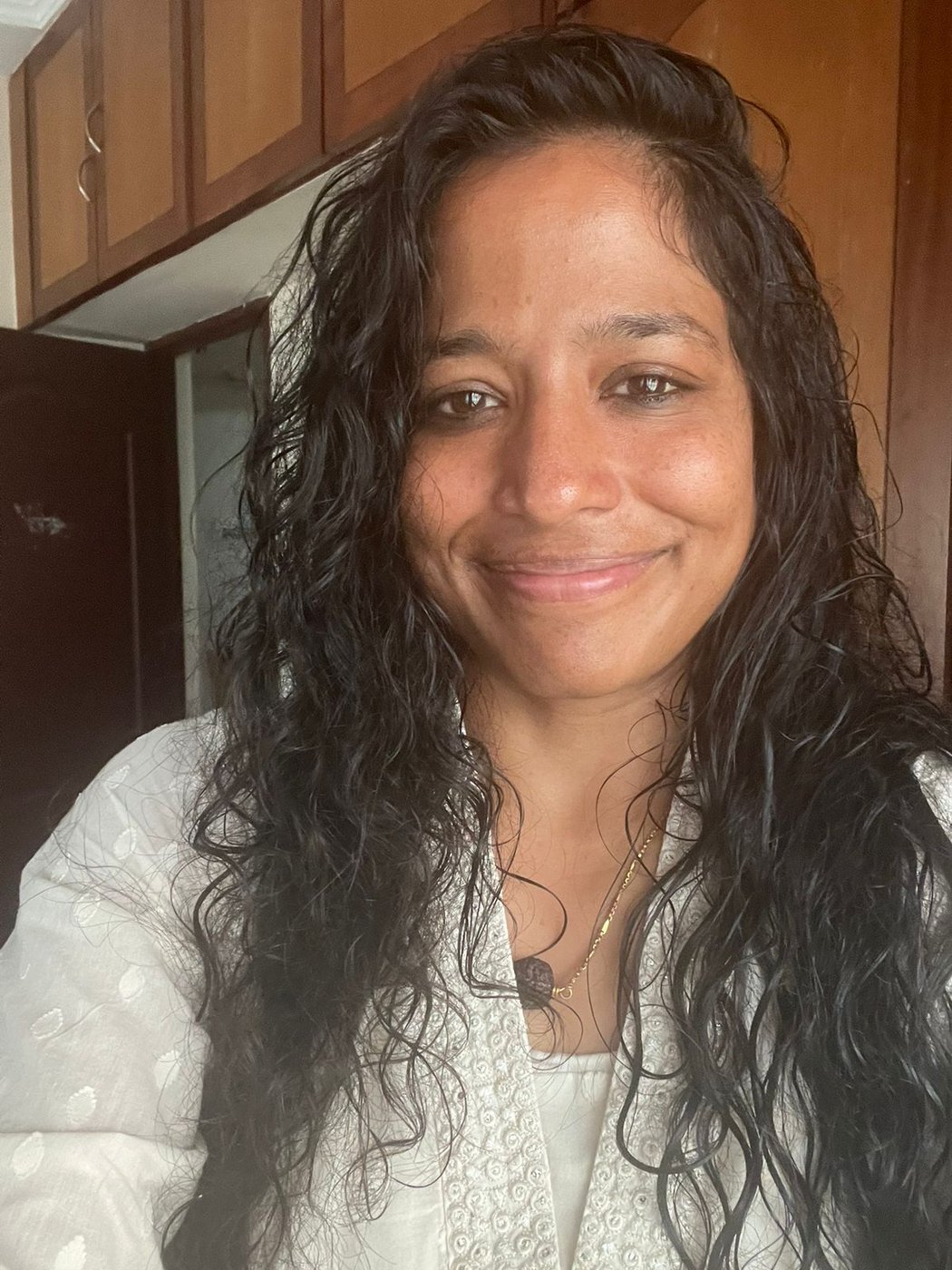 XXXI
XXXI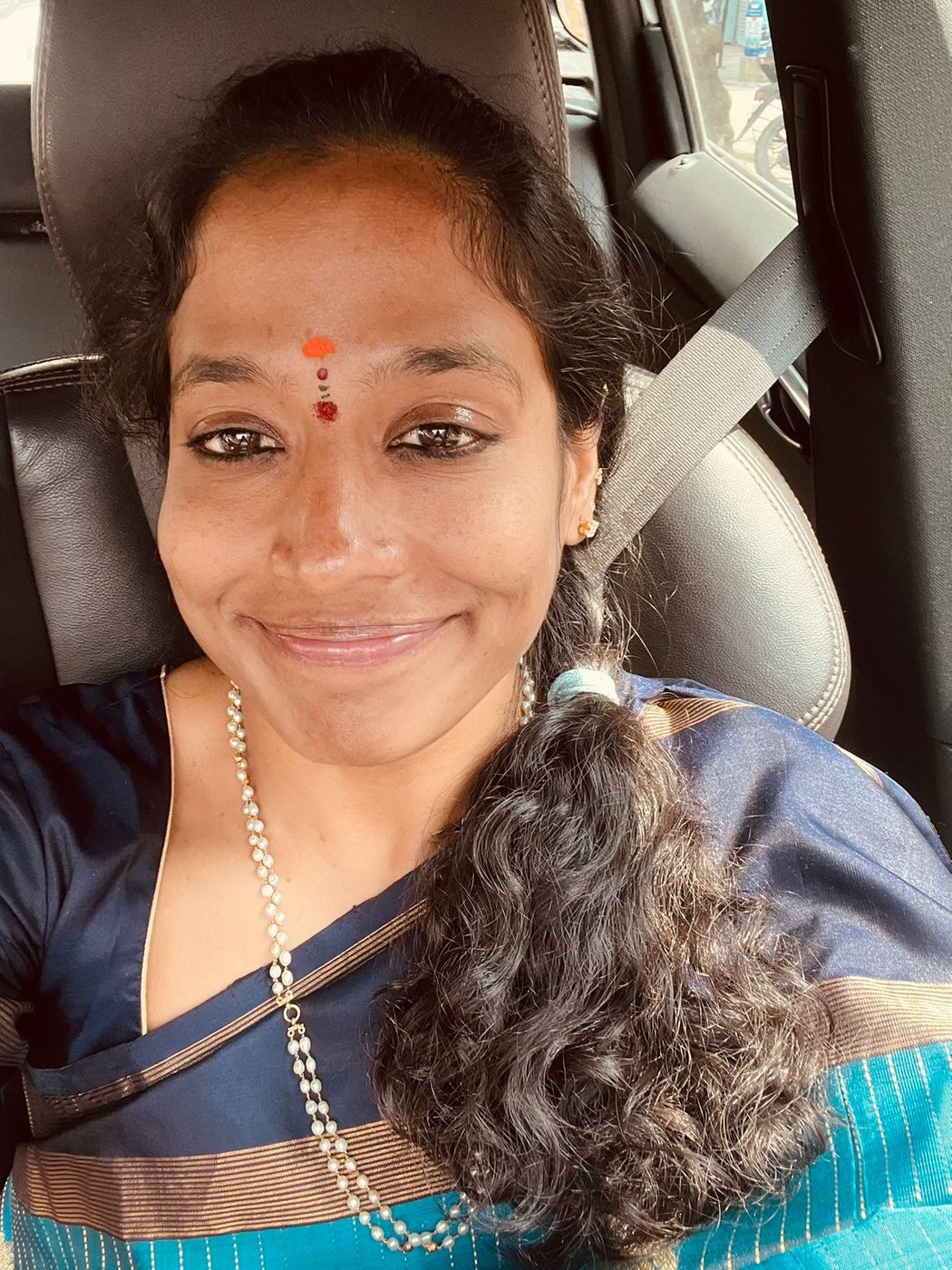 XXXII
XXXII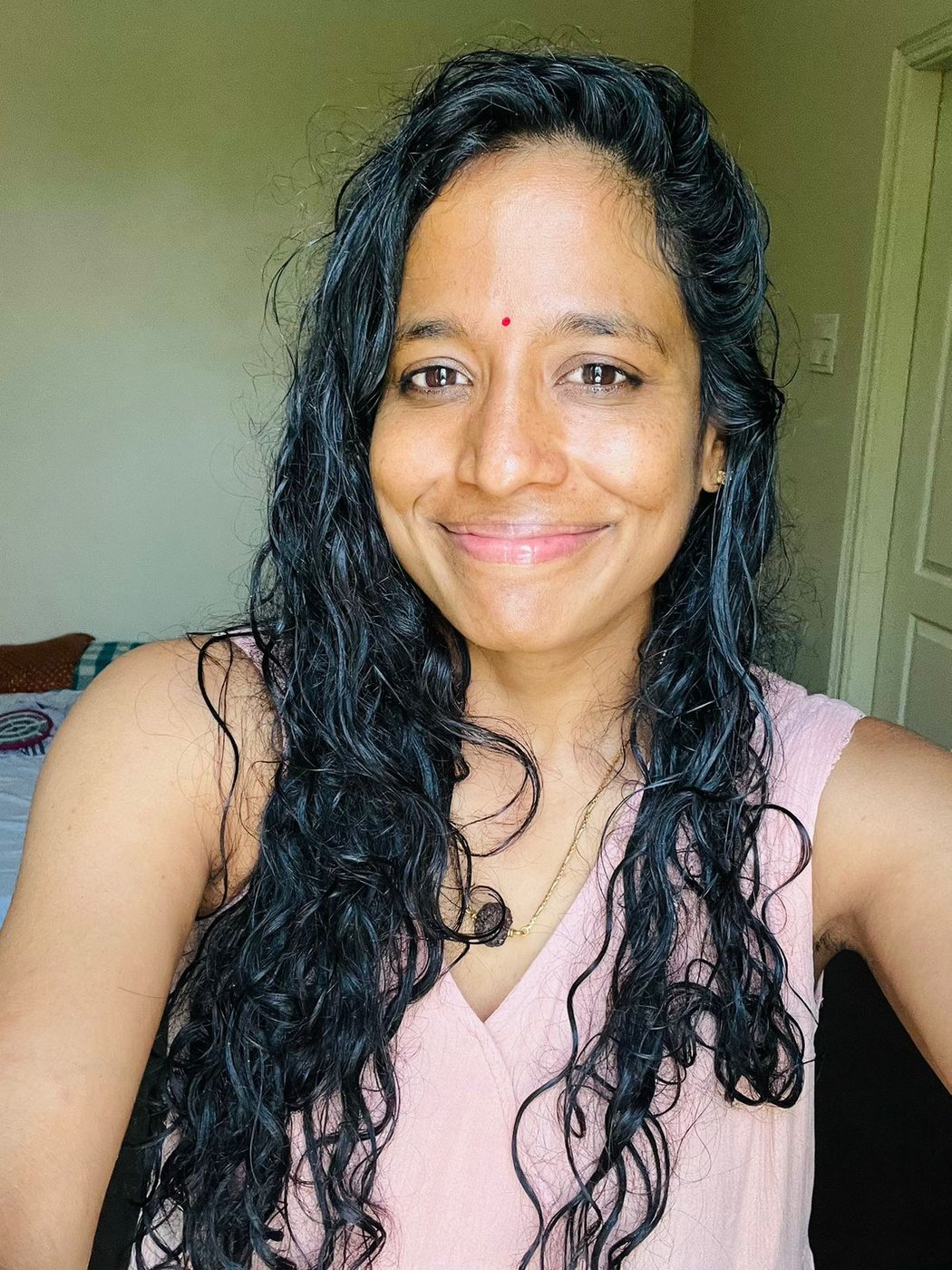 XXXIII
 XXXIV
XXXIV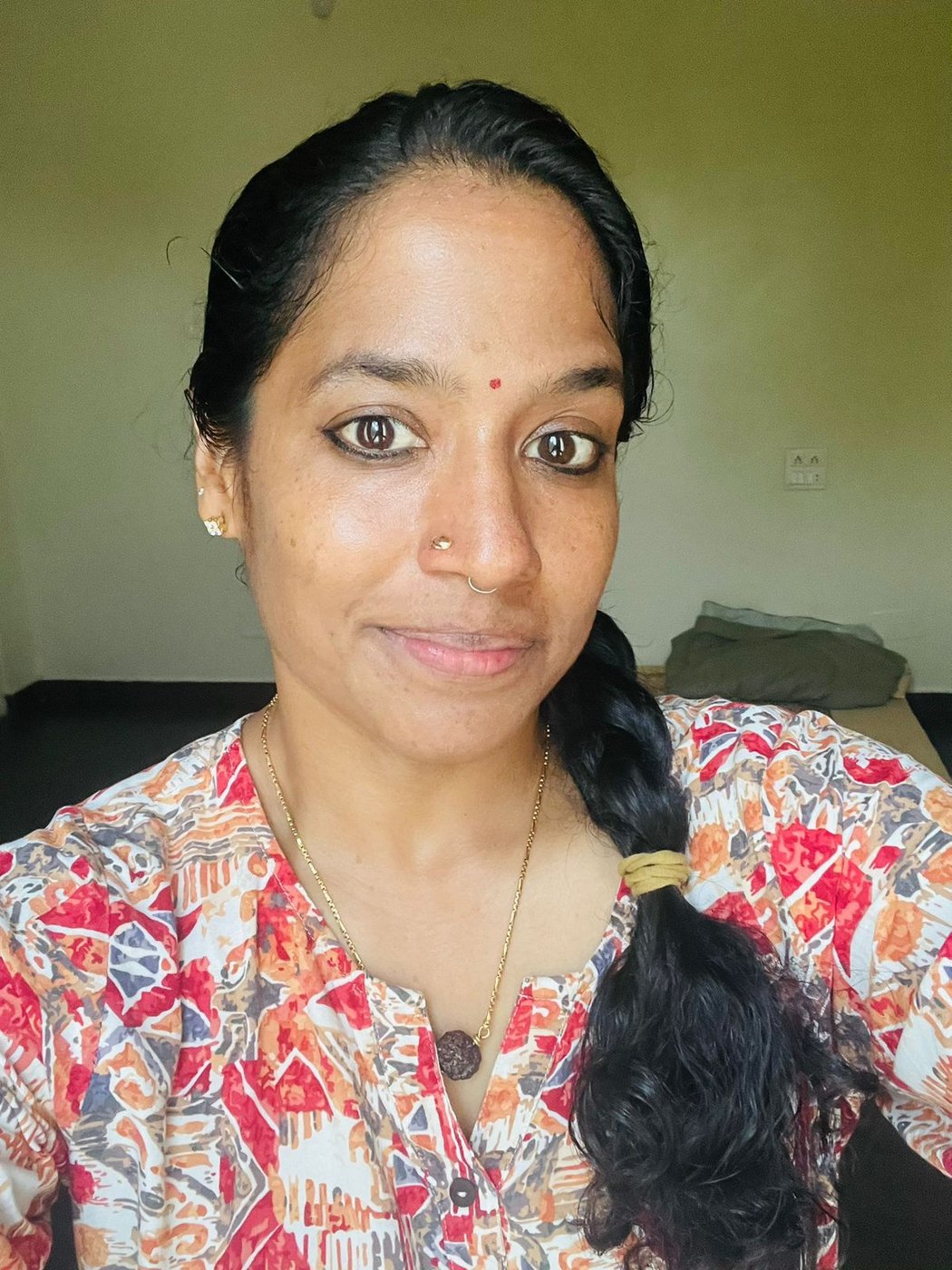 XXXV
XXXV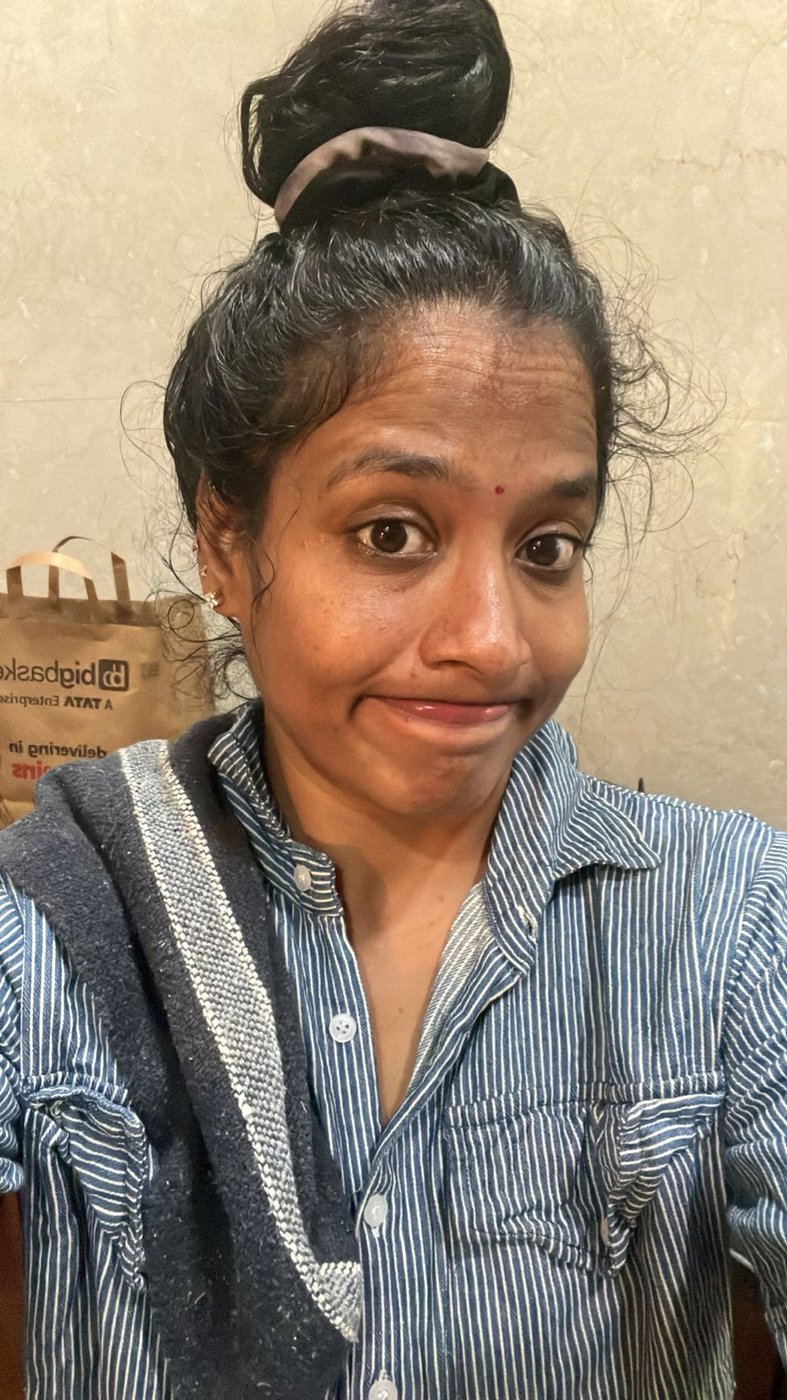 XXXVI
XXXVI